

In 2026, for the first time in history, women are holding the top leadership positions in all three Sámi Parliaments in Norway, Sweden and Finland.
Yet when asked about the rights, role and future of Indigenous women and girls, all three Sámi leaders converged around a similar message: for Sámi girls, equality begins long before they enter a parliament or take on a formal leadership role. It begins with what they are taught they can do.
UNRIC has talked to the three Presidents of the Sami Parliaments: Silje Karine Muotka, President of Sámediggi in Norway; Marianne Gråik, President of Sámediggi in Sweden; and Pirita Näkkäläjärvi, President of Sámediggi in Finland.
“What makes this moment special to me is the opportunity to work alongside these women leaders I greatly admire”, Silje Karine Muotka says. “They bring different experiences, strengths and perspectives, and I think that says something important about leadership in Sápmi today.”
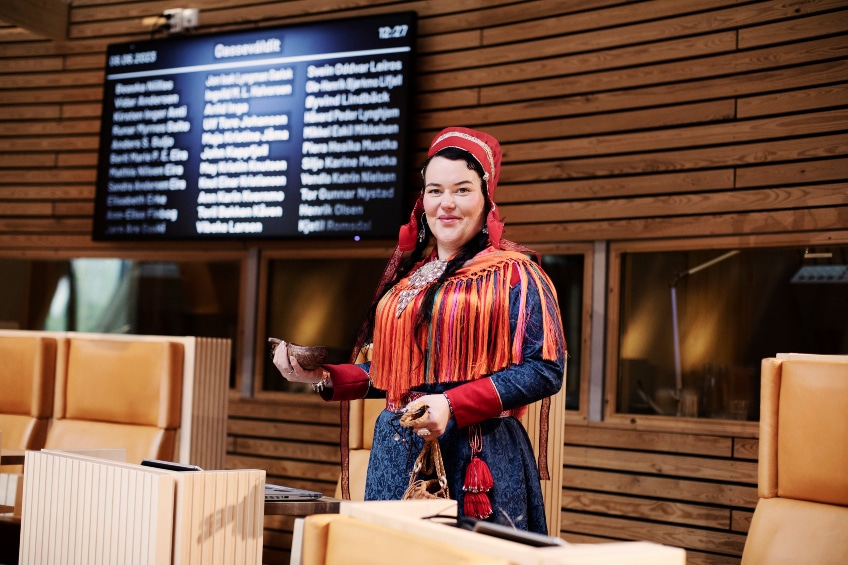
Three Parliaments, three mandates
Although the three Sámi Parliaments share the same fundamental purpose — representing the Sámi people and advancing their rights and interests — they operate with different powers. Norway has given its Sámi Parliament a broad political and administrative mandate, Finland explicitly recognises the Sámi people’s right to self-determination and facilitates its self-government in linguistic and cultural matters, while Sweden’s Sámi Parliament has the unusual dual role of representing the Sámi politically while also functioning as a state authority.
Their message is particularly significant as the United Nations marks the first International Day of the World’s Indigenous Women and Girls on 5 September. An estimated 185 million Indigenous women around the world belong to more than 5,000 Indigenous Peoples, bringing diverse knowledge, traditions and perspectives to their communities and societies.

“There is a more stable path forward when society listens to Indigenous peoples”, Marianne Gråik says.
She calls for a shift away from a market-based model of nation-building towards one grounded in respect for the environment, where progress is measured not only in financial terms, but also in sustainability, health and wellbeing.
Tradition and modern life
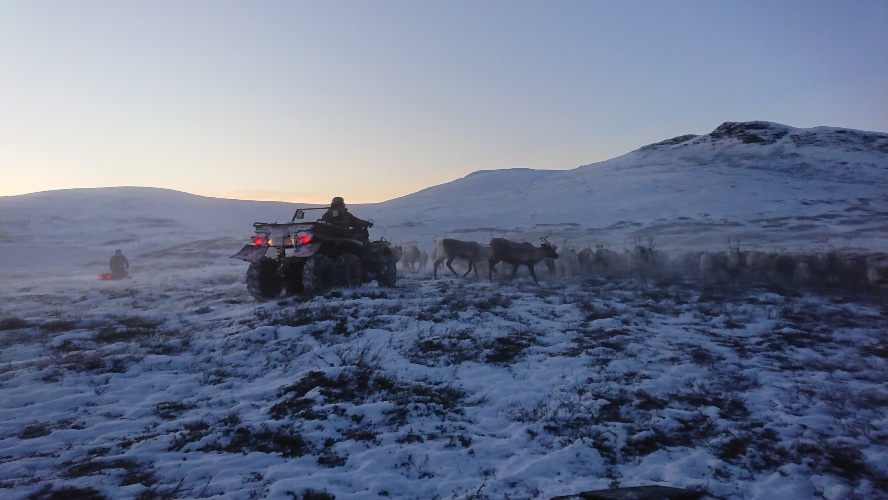
Sámi cultural traditions and ways of life are diverse and vary across Sápmi. They include longstanding connections to reindeer husbandry, fishing, hunting, gathering and traditional handicrafts, among other practices. These traditions remain an important part of Sámi culture and identity while continuing to evolve in contemporary Sámi communities.
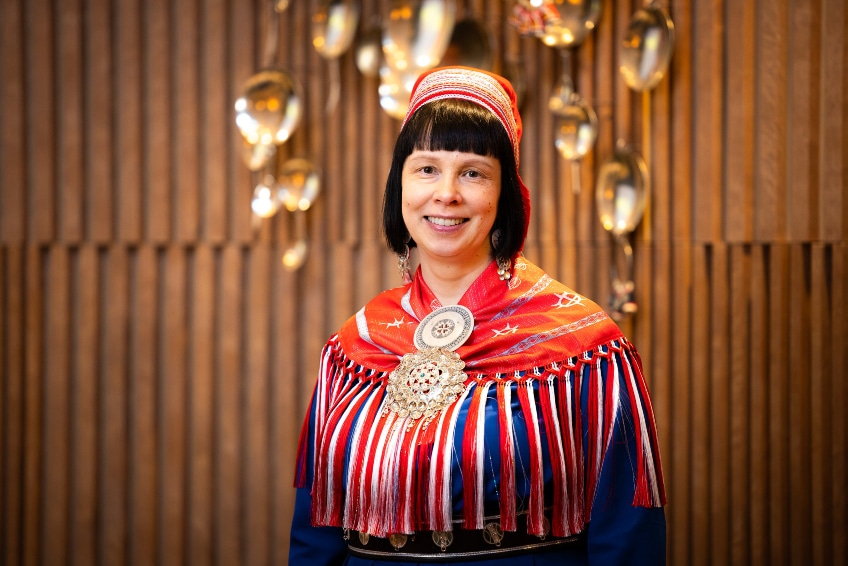
Yet when speaking about the challenges Sámi women and girls face today, Pirita Näkkäläjärvi emphasises the challenge of balancing modern life with the transmission of Sámi knowledge and traditions:
“Sámi women and girls play a key role in the struggle of the Sámi People for self-determination as an Indigenous People. One of the biggest challenges is being able to juggle the pressures from both the modern life, such as getting an education, building your CV and a career, and also the challenges of maintaining and developing our Indigenous way of life, such as learning and passing to the next generations the Sámi languages and the skills in the Sámi traditional livelihoods like reindeer herding, Sámi handicrafts, fishing, hunting and gathering.”
A century of leadership
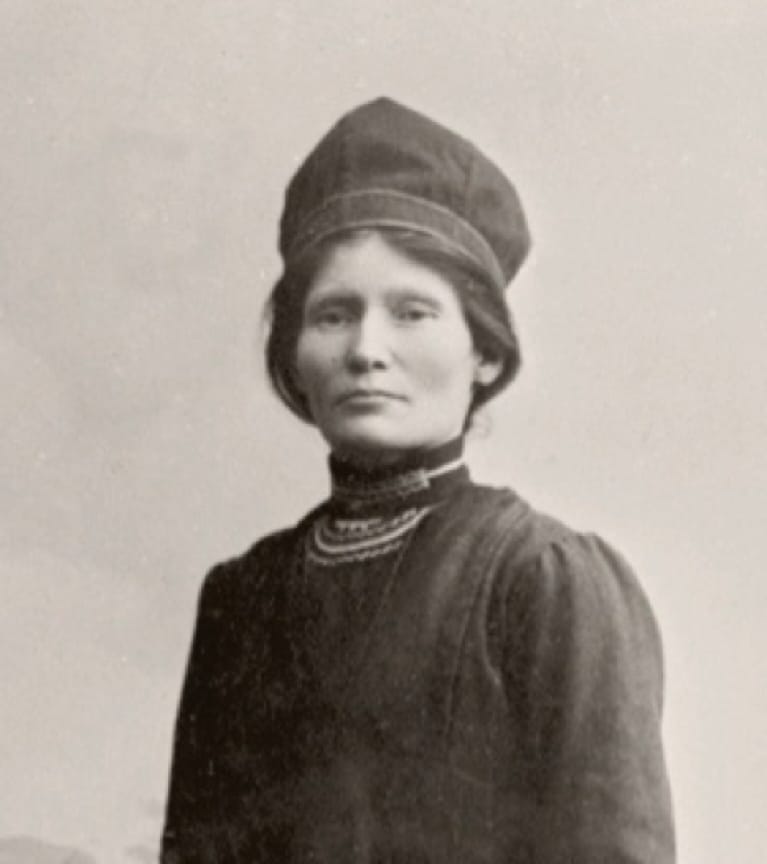
The emphasis on community, responsibility and the generations to come has deep roots in Sámihistory. More than a century ago, Sámi women were already making their voices heard in the political movement for their people. One of the most prominent was Elsa Laula Renberg (1877–1931), a South Sámi activist and pioneer of Sámi political organization. She helped establish an early Sámi political association in Sweden in 1904 and, in 1910, founded the Brurskanken Sámi Women’s Association in Norway.
Renberg was a driving force behind the first Sámi national congress, in 1917, bringing together around 150 Sámi participants from Norway and Sweden. Her commitment to women’s participation was explicit: in inviting women to take part, she wrote, “Not a single woman should be missing from our association.” Around 40 women attended the 1917 gathering. The meeting laid important foundations for Sámi political cooperation, and 6 February — its opening day — is now celebrated as Sámi National Day.
“Strong Sámi, female leaders is not a new thing, and I think this inspires youth, and normalizes engagement and activism”, Silje Karine Muotka says. “Elsa Laula Renberg was the one who gathered and united Sámi peoples to our first convention in 1917. Today, young women are carrying that tradition forward in their own way.”
Women supporting women
The fact that women now lead all three Sámi Parliaments also resonates with the wider international framework for Indigenous rights. The United Nations Declaration on the Rights of Indigenous Peoples recognizes Indigenous peoples’ right to self-determination, including the right to determine their political status and to maintain and develop their own institutions.
The Declaration also states that particular attention should be paid to the rights and special needs of Indigenous women. The leadership of Marianne Gråik, Pirita Näkkäläjärvi and Silje Karine Muotka therefore brings together two dimensions of the Declaration: Indigenous peoples’ right to shape their own political institutions, and the recognition of Indigenous women within that rights framework.

Create a movement
Looking a century ahead, all three political leaders are confident about the future. Asked what advice she would give to the next generation of Sámi girls, Marianne Gråik speaks about the shame and guilt that have too often been placed on Sámi people. They can be criticized for defending their traditional lands and standing in the way of development, while at the same time being blamed for no longer living according to traditional Sámi culture—a culture that has itself been affected by the loss of those lands.
“Sometimes we are expected to feel guilty for defending our land, and sometimes ashamed because we do not live our cultural lives as Sámi. This has been imposed on us from the outside. We have to work through it ourselves, put it aside, live our identity and do what we are passionate about. And as women, we need to be aware that we are part of a hierarchical system. We can actively support one another. Wherever we live and at whatever level we work, we can support other women. If enough of us do that, we can create a whole movement!”
For young Sámi girls, Gråik’s advice is to challenge the shame and guilt imposed from outside and to embrace their identity with confidence. Silje Karine Muotka, meanwhile, encourages the next generation to participate, learn and contribute without feeling that they must have all the answers.

“Just do it!”
“Do not think you need to know everything before you involve yourself. Just do it. You shouldn’t be afraid to engage in what you believe in. You can always ask for help, and remember that learning is a lifelong experience, and you learn in different ways from different people. Learn how the system works, but don’t let the systems define you. You are a knowledge holder, and you need to convey your message to the world.”
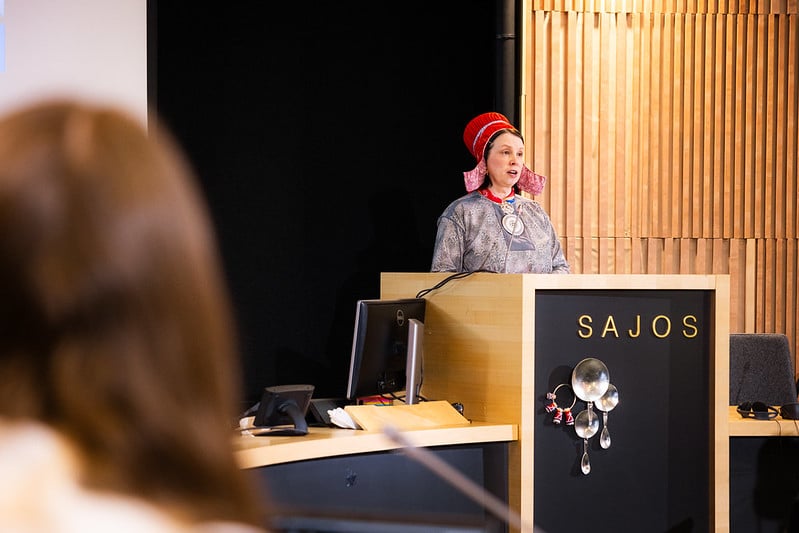
Pirita Näkkäläjärvi concludes:
“My message to Sámi girls is to believe in yourself and to follow your dreams – we as your community and people will support you along the way. In today’s world it is important to get an education but to also allow yourself time to learn the Sámi traditional knowledge. However, not everyone needs to know everything. Together as a people we are stronger.”