

Each September, world leaders and delegates gather at the United Nations Headquarters in New York to discuss the most pressing issues of our time. This year, the 81st Session of the UN General Assembly opened on 8 September, and the General Debate begins on 22 September. Here we answer seven questions on this crucial moment in the UN’s agenda.
-
General Assembly, UNGA, General Debate… What’s the difference?

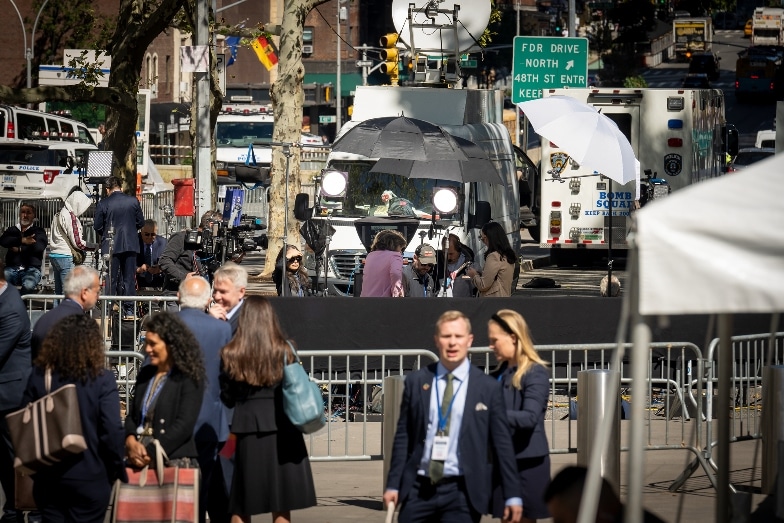
Scene from the UN headquarters during the week of the General Assembly’s annual general debate and associated high-level meetings in September 2017 © UN Photo/Kim Haughton

The General Assembly, also known as UNGA, is the main forum for all 193 Members of the UN to discuss international issues in line with the UN Charter. The Assembly meets in regular sessions from September until all the items on the agenda have been addressed, which often happens just before the new session the following September.
Between 2026 and 2027, the Assembly meets for the 81st time (UNGA 81), and this session officially opened on Tuesday, 8 September 2026.
As part of the Assembly’s annual session, a General Debate is held each September which is typically attended by Heads of State and Government. This year it will take place from 22 to 28 September 2026.
-
What happens during the General Debate?
The General Debate is not actually a debate. Member States take turns delivering speeches and are given a right of reply when required. They use the opportunity to raise a topic which reflects an issue of importance to them.
For the 81st session, the theme of the debate is: “Restoring Trust, Managing Transformation: A United Nations That Delivers for All.”
-
Which Member State speaks first during the General Debate?

An interpreter in the Spanish booth during the high-level week of the seventy seventh session of the United Nations General Assembly in September 2022 © UN Photo/Laura Jarriel

Since the early years of the General Assembly, the first country to speak has been Brazil because, according to the UN Protocol and Liaison Services, no one seemed to want to be the first to speak, and Brazil went first on several occasions, which then became a tradition.
The United States is up next as the host country. The order of speakers then follows a complex algorithm reflecting level of representation, geographical balance, the order in which the request to speak was recorded, and other considerations.
-
Who else can speak at the General Debate?
The Holy See, the State of Palestine and the European Union, permanent observers of the UN, are invited to participate in the General Debate and their speaking slots are determined by the level of representation.
-
How long are the speeches?
Speakers are asked to keep their statements to under 15 minutes, however they often go well beyond that. The longest speech made during the General Assembly, to date, was by Cuba’s Fidel Castro, who spoke for four and half hours in 1960 (although that wasn’t during the General Debate).
-
How do I watch my country’s speech?
All General Assembly meetings can be followed LIVE and on demand on UN WebTV.
Statements delivered in the General Assembly hall are available on the General Debate website.
The daily schedule and provisional list of speakers can be found here.
-
What else should I look out for?
In addition to the general debate, the opening session of the General Assembly includes a long list of meetings and side events, including:
On 18 September, the SDG Moment will provide an opportunity for Heads of State and Government to discuss progress, challenges and the actions needed to accelerate the achievement of the Sustainable Development Goals (SDGs).
On 23 September, the United Nations Secretary-General is organising a Climate Summit to take stock of progress made 10 years on from the Paris Agreement.
On 24 September, a meeting will be held on the threats posed by rising sea levels.
On 25 September, the President of the United Nations General Assembly will organise a day dedicated to the prevention, preparedness and response to pandemics. This meeting will culminate in the adoption of a political declaration to improve global management of pandemics and health emergencies.
Finally, three commemorative events will also take place. The 40th anniversary of the Declaration on the Right to Development will be celebrated on 23 September. This declaration opened up new horizons in the universal struggle for greater human dignity, freedom, equality and justice.
28 September will mark the 25th anniversary of the Durban Declaration and Programme of Action, providing an opportunity to step up collective efforts to combat racism, racial discrimination, xenophobia and intolerance.
Finally, on 29 September, the International Day for the Total Elimination of Nuclear Weapons, a plenary meeting will bring Member States together to discuss the issue of nuclear disarmament.
Find out more:
Each day, you can watch live broadcasts of most high-level events on Webtv.un.org.
Find out more about the General Assembly and the General Assembly High-level Week 2026.