
New UN websites & publications
UN in General
UN Card: 11 Facts
English: https://www.un.org/sites/un2.un.org/files/un_card_2021_e.pdf
French: https://www.un.org/sites/un2.un.org/files/un_card_2021_f.pdf
Spanish: https://www.un.org/sites/un2.un.org/files/un_card_2021_s.pdf
The 2021 edition of The UN Card brings an update to 11 actions of the UN that show in quantifiable terms how the daily work of the UN and its agencies affects the lives of people around the globe.

Sustainable Development Goals Report 2021
https://unstats.un.org/sdgs/report/2021/
 The world was not on track to meet the 17 Sustainable Development Goals (SDGs) before COVID-19 struck, and now the challenge has been magnified many times over, according to a new flagship UN report that indicates countries must take ‘critical’ steps on the road out of the pandemic, during the next 18 months. The Sustainable Development Goals Report 2021, launched on 6 July 2021 at UN Headquarters in New York, shows the toll that the COVID-19 pandemic has taken on the 2030 Agenda, as the landmark annual High-Level Political Forum (HLPF) officially got underway.
Progress towards the Sustainable Development Goals: Report of the Secretary-General (E/2021/58, 30 April 2021)
English, French & Spanish: https://undocs.org/E/2021/58
“Summary: In accordance with General Assembly resolution 70/1, the present report provides a global overview of the current situation of the Sustainable Development Goals on the basis of the latest available data on indicators in the global indicator framework.”
António Guterres secures second term as UN Secretary-General, calls for new era of ‘solidarity and equality’

UN News Centre Story (18 June 2021)
English: https://news.un.org/en/story/2021/06/1094282
French: https://news.un.org/fr/story/2021/06/1098442
Spanish: https://news.un.org/es/story/2021/06/1493482
Portuguese [BR]: https://news.un.org/pt/story/2021/06/1754132
see also:
Vision Statement: “Restoring trust and inspiring hope” The next five years for the United Nations, by António Guterres: https://www.un.org/pga/75/wp-content/uploads/sites/100/2021/03/Letter-PGA-VS.pdf
UNRIC Library Backgrounder: Appointment of the Secretary-General – Selected Online Resources: https://unric.org/en/unric-library-backgrounder-sg-appointment/
Coronavirus Disease (COVID-19)

 How an outbreak became a pandemic: the defining moments of the COVID-19 pandemic
https://theindependentpanel.org/wp-content/uploads/2021/05/How-an-outbreak-became-a-pandemic_final.pdf
This report is a companion to the main report, COVID-19: Make it the Last Pandemic, of the Independent Panel for Pandemic Preparedness and Response. It is an evidence-based narrative, providing in-depth analysis of 13 defining moments of the evolution and impact of the COVID-19 pandemic.
COVID-19 and National Human Rights Institutions
https://www.undp.org/publications/covid-19-and-national-human-rights-institutions
 A study of 75 percent of National Human Rights Institutions (NHRIs) globally indicates that they have been remarkably resilient, adapting rapidly to COVID-19, and finding a range of innovative ways to fulfill their vital mission – to promote and protect human rights. The figures are stark: over 60 percent of countries have regressed on basic rights in 2020 as a result of measures to tackle the COVID-19 pandemic. The report released one year after the start of the COVID-19 pandemic, by the Global Alliance of National Human Rights Institutions (GANHRI), the Office of the United Nations High Commissioner for Human Rights (OHCHR) and the United Nations Development Programme (UNDP) analyses the role and activities of NHRIs in addressing the human rights dimensions of COVID-19. The study echoes the message by the UN Secretary-General that people – and their rights – must be front and center in COVID-19 response and recovery efforts.
COVID-19 and Tourism: An Update (UNCTAD / UNWTO)
https://unctad.org/system/files/official-document/ditcinf2021d3_en_0.pdf
 The crash in international tourism due to the coronavirus pandemic could cause a loss of more than $4 trillion to the global GDP for the years 2020 and 2021, according to an UNCTAD report published on 30 June. The estimated loss has been caused by the pandemic’s direct impact on tourism and its ripple effect on other sectors closely linked to it. The report, jointly presented with the UN World Tourism Organization (UNWTO), says international tourism and its closely linked sectors suffered an estimated loss of $2.4 trillion in 2020 due to direct and indirect impacts of a steep drop in international tourist arrivals. A similar loss may occur this year, the report warns, noting that the tourism sector’s recovery will largely depend on the uptake of COVID-19 vaccines globally.
‘COVID-19 deepens threats for displaced women and children’ – new data visualization (UNHCR)
https://storymaps.arcgis.com/stories/5bf55a1112144d7dafa58fb4ecc8f9a7
The coronavirus pandemic has had a damaging impact on the lives of millions of refugees and internally displaced people, but the consequences for displaced women and children have been particularly devastating – from a heightened risk of domestic and sexual violence to an increase in child marriages. This new data visualization is the fourth in a series examining how the COVID-19 crisis has worsened conditions for displaced communities. It presents data from humanitarian operations around the world that shows how deteriorating socio-economic conditions, lockdowns and school closures have threatened the safety and well-being of displaced women and children.
Disruption and Resilience: UNESCO reports reveal new data on impact of COVID-19 on culture
https://bit.ly/3wVj72p
UNESCO is launching a series of reports that reveal the scope of the impact of COVID-19 on the culture sector. These reports, based on recent surveys and research, provides revealing snapshots across 5 areas: World Heritage; living heritage; cultural and creative industries; museums; and cities.
Gender and COVID-19: What have we learnt, one year later? (World Bank Policy Research Working Paper No. 9709)
https://openknowledge.worldbank.org/handle/10986/35829
One year into the COVID-19 pandemic, this paper takes stock of new data and analysis to provide an up-to date picture of how women and men have been affected differently in terms of endowments, economic conditions, and agency. With regards to health outcomes, men have suffered a disproportionate burden of COVID-19 mortality, and more men than women were diagnosed with COVID-19. On the other hand, the disruptions in service provision have worsened reproductive health outcomes in several countries. In terms of education, data is scarce but there is no evidence for the hypothesis that families redirected scarce resources to prioritize education of boys over girls. However, girls report having taken on the additional care burden to a larger extent than boys, with potential impacts on their learning time. In terms of labour market consequences, women were more likely than men to stop working and have borne the brunt of the increase in the demand for care work. Businesses with female top managers have also experienced disproportionately more negative impacts. Finally, with respect to voice and agency, the risk of violence has increased for women and girls, especially intimate partner violence. In addition, women have been under-represented in decision-making on COVID-19 and, in some contexts, disadvantaged in access to critical information. The paper concludes with highlighting the importance of collecting sex-disaggregated data to understand the gender-differentiated impacts of the pandemic.
 The Impact of the COVID-19 Pandemic on E-waste in the First Three Quarters of 2020
https://bit.ly/3jdhE3G
In the first three quarters of 2020, the COVID-19 pandemic caused a 30% fall in electronic and electrical equipment sales in low- and middle-income countries, but only a 5% decline in high-income countries, highlighting and intensifying the digital divide between North and South, according to a new UN report. Worldwide, sales of heavy electric appliances like refrigerators, washing machines, and ovens fell the hardest (6–8%) while small IT and telecommunications equipment decreased by only 1.4%. Within the latter category, sales of laptops, cell phones, and gaming equipment rose in high-income countries and on a global basis, but fell in low- and middle-income countries. The new report, by UN e-waste researchers, predicts an overall 4.9 million metric tonne (Mt) fall in future 2020 sales-related e-waste, about 6.4% less than a “business as usual” scenario. The report is published by the United Nations University (UNU) Sustainable Cycles programme (SCYCLE), Bonn, and the United Nations Institute for Training and Research (UNITAR), which recently established a presence in Bonn.
Including Migrants and Communities in Socio-Economic Recovery: Experiences from the UNDP-IOM Partnership
https://bit.ly/3pJfUjL
 A joint research by the International Organization for Migration (IOM) and the United Nations Development Programme (UNDP) conducted in nine countries shows that the pandemic has increased poverty and unemployment for many migrants and their families. Data collected in Bangladesh, Belarus, El Salvador, Guinea, Indonesia, Kyrgyz Republic, Lesotho, the Republic of Moldova and Peru showed that travel restrictions have left a significant number of migrants stranded, with others forced to return to their home countries where they face hardship. The heads of the two UN agencies emphasized migration’s prospective role in COVID-19 recovery at an online event held on 10 June 2021 to discuss how the pandemic has impacted migrant communities – and how the slowdown in migration due to travel restrictions has hurt economies and people. They further reiterated the need for migrants and migration to be part of COVID-19 recovery plans as countries rebuild their economies and societies after this crisis.
Indicator framework for the evaluation of the public health effectiveness of digital proximity tracing solutions (ECDC / WHO)
https://apps.who.int/iris/handle/10665/341818
 The European Centre for Disease Prevention and Control (ECDC) together with WHO, through its headquarters and Regional Office for Europe, have developed the first indicator framework to evaluate the public health effectiveness of digital proximity tracing solutions. Countries have readily employed innovative technologies throughout the COVID-19 pandemic to support the implementation of public health and social measures. Digital proximity tracing – using smartphones or purpose-built devices to capture anonymized interactions between individuals then issue alerts – emerged during the pandemic as a new means of support for government-led contact tracing programmes. ECDC and WHO developed this indicator framework in consultation with public health experts globally. The framework will provide countries with a standardized approach for evaluating their use of digital proximity tracing solutions. It will also assess the extent to which these solutions have aided national contact tracing strategies for COVID-19.
Mitigating Poverty: Global Estimates of the Impact of Income Support during the Pandemic (UNDP)
https://www.undp.org/publications/mitigating-poverty-global-estimates-impact-income-support-during-pandemic
A new report released 1 July 2021 by the United Nations Development Programme (UNDP) shows that cash assistance policies significantly reduced the number of people who might otherwise have fallen into poverty during the COVID-19 pandemic. The report offers new data on how social assistance spending prevented people from being pushed into poverty. In the 41 countries for which data is available, 80 per cent of people -12 million of 15 million -who would have fallen below the US$1.90 poverty line did not as a result of social assistance measures.
New WHO/Europe information series highlights the transformation of primary health care during COVID-19
https://www.euro.who.int/en/health-topics/Health-systems/primary-health-care/country-work/primary-health-care-country-vignettes
Throughout the COVID-19 pandemic, primary health care (PHC) systems in the WHO European Region have met the unprecedented surge in needs, with several countries responding by accelerating long-standing reforms and showing different degrees of adaptation and transformation in PHC. The WHO European Centre for Primary Health Care has now launched a new information series that highlights this transformation. Pragmatic, country-specific and action-oriented, the new PHC Country Vignettes will contribute to cross-country exchange of experiences and perspectives.
Already available:
• Spain: Transforming primary health care during the pandemic (2021): https://bit.ly/3gCbKpO
UN/DESA Policy Brief Series
UN DESA experts are working to help decision makers around the world navigate tough choices and to find ways to recover better from the COVID-19 crisis. Watch this space for the latest research, analysis and policy advice from UN DESA, an effort to support and complement the United Nations Secretary-General’s initiatives in response to the COVID-19 crisis and the Decade of Action to deliver the Sustainable Development Goals.
Newly published:
• #108: Trust in public institutions: Trends and implications for economic security: https://www.un.org/development/desa/dpad/publication/un-desa-policy-brief-108-trust-in-public-institutions-trends-and-implications-for-economic-security/
WHO European Region UEFA EURO 2020 Explorer
https://who.maps.arcgis.com/apps/dashboards/2e328f146c34408d808bba6ea6d18331
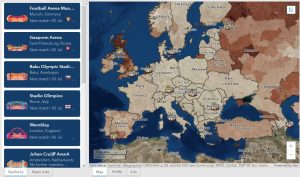 With the UEFA European Football Championships being played in cities across the WHO European Region, WHO/Europe has launched an “explorer” or monitoring tool providing an overview of the current COVID-19 situation in the Region, with a particular focus on UEFA EURO 2020 host cities. The explorer is intended as a tool for authorities, organizers and the public to better understand the COVID-19 situation in host cities and assess related risks at a public health and individual level. The explorer provides: epidemiological trends across the Region, an event-based surveillance system, details of public health and social measures, and tracking of cases of COVID-19 in host countries.
Young people and COVID-19: Behavioural considerations for promoting safe behaviours (WHO)
https://www.who.int/publications/i/item/978-92-4-002831-9
In the context of the coronavirus disease (COVID-19) pandemic response, WHO identifies young people as a priority target audience with specific concerns, experiences and behaviours. This policy brief provides relevant insights from behavioural evidence and a set of behavioural considerations for those promoting COVID-19 preventive behaviours among young people. Designers of programmes and initiatives targeting youth may find it helpful to refer to the youth-specific barriers and drivers identified in this policy brief and to prioritize these for testing when planning initiatives targeted at young people.
Economic Growth and Sustainable Development
 An Introduction to David Lubin Memorial Library at FAO
https://www.youtube.com/watch?v=SsMxpXgTwV0
The Library of the Food and Agriculture Organization of the United Nations celebrated its anniversary last month and released this new video.
Ethics and governance of artificial intelligence for health (WHO)
https://www.who.int/publications/i/item/9789240029200

An EPIC Response: Innovative Governance for Flood and Drought Risk Management (World Bank)
Report, Executive Summary & Brochure: https://bit.ly/3j7H8PU
 Floods and droughts take a staggering toll both in human suffering and in economic costs. A new approach thus is urgently needed to manage the large and growing risks associated with extreme hydro-climatic events. This report offers that new approach. It sets out a vision of how national governments can deal with these challenges through innovative governance, offering a comprehensive path towards a safer, more prosperous future for the world’s 7.7 billion people. This report focuses primarily on the last principle – a joined-up government. This report presents a new framework for creating a more effective system of managing hydro-climatic risks, a system that has the potential to dramatically reduce the future human and economic toll from these events. This report is intended to bring awareness of this enormous challenge and the potential solutions to a broad audience, as well as offering a practical and detailed guide to help governments improve their flood and drought management systems.
 Ghost Citizens: Women and Informality in Cities, What can Europe do?
https://www.citiesalliance.org/resources/publications/global-knowledge/policy-brief-ghost-citizens-women-and-informality-cities
Building on ongoing work in cities and informal settlements undertaken by Cities Alliance and its members, the new policy brief identifies the role of women in the informal economy, describes the spatial and political dimensions of gender inequalities in cities and provides recommendations for the EU external action on addressing gender and informality gaps and the implementation at the local level of the EU Gender Action Plan III.
Global Assessment Report on Disaster Risk Reduction: Special Report on Drought 2021
https://www.undrr.org/gar2021-drought
 Droughts have deep, widespread and underestimated impacts on societies, ecosystems, and economies. They incur costs that are borne disproportionately by the most vulnerable people. The extensive impacts of drought are consistently underreported even though they span large areas, cascade through systems and scales, and linger through time, affecting millions of people and contributing to food insecurity, poverty, and inequality. Climate change is increasing temperatures and disrupting rainfall patterns, increasing the frequency, severity, and duration of droughts in many regions across the globe. As we move towards a 2˚C warmer world, urgent action is required to better understand and more effectively manage drought risk to reduce the devastating toll on human lives and livelihoods, and ecosystems. The GAR Special Report on Drought 2021 explores the systemic nature of drought and its impacts on achievement of the Sendai Framework for Disaster Risk Reduction, the SDGs and human and ecosystems health and wellbeing.
Global State of National Urban Policy 2021: Achieving the Sustainable Development Goals and Delivering Climate Action
https://www.citiesalliance.org/newsroom/news/cities-alliance-news/global-state-national-urban-policy-2021-report
A co-publication between Cities Alliance, OECD and UN-Habitat. Building on the first edition launched in 2018, this report reviews the National Urban Policies (NUPs) of 162 countries across the world. The overarching objective of the report is to assist national governments in advancing their NUP processes, especially in creating a stronger link between NUPs and urban-related global agendas, such as Agenda 2030 for Sustainable Development and the New Urban Agenda, and in mainstreaming climate action into NUPs.
 Governing Coastal Resources: Implications for a Sustainable Blue Economy (UNEP)
Report in English, Summary for Policymakers & Factsheets in English, French & Spanish: https://www.resourcepanel.org/reports/governing-coastal-resources
The plants and animals that live along the world’s coasts are coming under increased pressure from pollution tied to harbours, agriculture, and fish and shrimp farming warns a new report from the International Resource Panel. The study says there is an urgent need to limit coastal pollution and other byproducts of industry, including the introduction of invasive species. Failing that, some coastal ecosystems, as well as the ocean-based economy they support, could collapse, said the report.
Inclusive Digital Economies & Gender Playbook (UNDF)
https://www.uncdf.org/article/6875/ide-and-gender-equality-playbook
This playbook is a practical how-to guide on leveraging the market system development approach to decrease the digital and financial divide for women and girls, use technology to improve women’s economic opportunities, and to help to transform women into builders of emerging digital economies. It contains a wealth of research on the common constraints faced by women in least developed and emerging economies, and concrete examples of interventions that can address those constraints.
Indigenous Peoples’ Food Systems: Insights of sustainability and resilience from the front line of climate change (FAO / CIAT)
http://www.fao.org/documents/card/en/c/cb5131en
 The Food and Agriculture Organization of the United Nations (FAO), together with the Alliance of Bioversity International and The International Center for Tropical Agriculture (CIAT) released on 25 June 2021 a new study identifying hundreds of diverse plant and animal species that Indigenous Peoples around the world depend on and care for to generate food sustainably and enhance biodiversity – and warning of increasing threats to these sophisticated food systems. Nearly 500 million people in more than 90 countries self-identify as Indigenous Peoples, with unique traditional knowledge offering rich opportunities for food security and biosecurity preservation. Eight Indigenous Peoples’ food systems are examined in depth and revealed to be among the most sustainable in the world in terms of efficiency, no waste, seasonality and reciprocity. They generate hundreds of food items from the environment without depleting natural resources and achieve high levels of self-sufficiency. In the Solomon Islands, for example the Melanesians people combine agroforestry, wild food gathering and fishing to generate 70% of their dietary needs. In Finland’s Arctic region, through fishing, hunting and herding, the Inari Sámi people generate 75% of the protein they consume. Today these systems are at high risk from climate change and the expansion of various industrial and commercial activities. The new report represents collaborative work and field research with Indigenous Peoples’ organizations and research centers across the world. Its authors emphasize the urgent need for Governments and the international community to establish and enforce intercultural policies that support the efforts of Indigenous Peoples to protect their food systems.
Making decent work a reality for domestic workers: Progress and prospects ten years after the adoption of the Domestic Workers Convention, 2011 (No. 189)
Report in English, Executive summary in English, French & Spanish: https://www.ilo.org/global/publications/books/WCMS_802551/lang–en/index.htm
 Ten years after the adoption of an historic International Labour Organization (ILO) Convention that confirmed their labour rights, domestic workers are still fighting for recognition as workers and essential service providers. Working conditions for many have not improved in a decade and have been made worse by the COVID-19 pandemic, according to a new ILO report. At the height of the crisis, job losses among domestic workers ranged from 5-20 per cent in most European countries, as well as Canada and South Africa. In the Americas, the situation was worse, with losses amounting to 25-50 per cent. Over the same period, job losses among other employees were less than 15 per cent in most countries. Data in the report shows that the world’s 75.6 million domestic workers (4.5 per cent of employees worldwide) have suffered significantly, which in turn has affected the households that rely on them to meet their daily care needs.
New Virtual Magazine: The Art of Climate Action
https://www.un.org/en/academic-impact/new-virtual-magazine-art-climate-action
 Effective strategies to learn about and engage with climate change play an important role in addressing this challenge. There is growing recognition that education needs to change in order to address climate change, yet the question remains: “How?” How does one engage young people with a topic that is often perceived as abstract, distant and complex? Art can be a powerful tool for communication. Within the growing field of science communication, art has been identified as an effective instrument to raise awareness with the help of video work, documentaries, infographics, illustrations, and comics about climate change impacts and adaptation strategies. Engagement using creative, artistic practices has the potential to go beyond traditional methods of communication and help people develop innovative ideas to combat climate change. The United Nations Academic Impact (UNAI) has created a new virtual magazine to promote this dialogue, which features a wide range of artwork by professional and amateur artists, including paintings, illustrations, street art, poetry and films.
Progress on household drinking water, sanitation and hygiene 2000 – 2020 (UNICEF / WHO)
https://washdata.org/report/jmp-2021-wash-households-launch-version
 Billions of people around the world will be unable to access safely managed household drinking water, sanitation and hygiene services in 2030 unless the rate of progress quadruples, according to a new report from WHO and UNICEF released on 1 July 2021. The Joint Monitoring Programme (JMP) report presents estimates on household access to safely managed drinking water, sanitation and hygiene services over the past five years, and assesses progress toward achieving the sixth sustainable development goal (SDG) to ‘Ensure availability and sustainable management of water and sanitation for all by 2030’. For the first time, the report also presents emerging national data on menstrual health. In 2020, around 1 in 4 people lacked safely managed drinking water in their homes and nearly half the world’s population lacked safely managed sanitation. COVID-19 has highlighted the urgent need to ensure everyone can access good hand hygiene. At the onset of the pandemic, 3 in 10 people worldwide could not wash their hands with soap and water within their homes.
Rethinking Single-Use Plastic Products in Travel & Tourism: Impacts, Management Practices and Recommendations
https://wedocs.unep.org/bitstream/handle/20.500.11822/36324/RSUP.pdf
 The World Travel & Tourism Council (WTTC) and the United Nations Environment Programme (UNEP), launched a major new report on 15 June 2021, addressing the complex issue of single-use plastic products within Travel & Tourism. It launches as countries around the world begin to reopen, and the Travel & Tourism sector starts to show signs of recovery from the COVID-19 pandemic which has been devastating. The report is a first step to mapping single-use plastic products across the Travel & Tourism value chain, identifying hotspots for environmental leakages, and providing practical and strategic recommendations for businesses and policymakers. It is intended to help stakeholders take collective steps towards coordinated actions and policies that drive a shift towards reduce and reuse models, in line with circularity principles, as well as current and future waste infrastructures. The report’s recommendations include redefining unnecessary single-use plastic products in the context of one’s own business; giving contractual preference to suppliers of reusable products; proactively planning procedures that avoid a return to single-use plastic products in the event of disease outbreaks; supporting research and innovation in product design and service models that decrease the use of plastic items, and revising policies and quality standards with waste reduction, and circularity in mind.
Taking the Temperature: Assessing and Scaling-Up Climate Ambition in the G7 Business Sector
https://sciencebasedtargets.org/resources/files/SBTi-TakingtheTemperatureReport2021.pdf
 New research co-authored by the UN Global Compact revealed on 10 June 2021 that none of the G7 leading industrial nations’ main stock indices are aligned with global emissions targets set out in the Paris Agreement, thwarting efforts to avoid the worst impacts of climate change. The Global Compact partnered with international non-profit CDP, on behalf of the Science Based Targets initiative (SBTi), a body supporting businesses to set ambitious emissions reduction goals. In December 2015, more than 190 signatories in Paris, agreed to limit the rise in global average temperature to well below 2° C (3.6° F) above pre-industrial levels, in the hope of keeping it as close as possible to 1.5° C (2.7° F). Just ahead of the G7 Summit in the United Kingdom, which begins on 11 June 2021, the Taking the Temperature report shows that indices on the main exchanges of G7 countries are on average at 2.95° C, while four of the seven are on temperature pathways of 3° C or above – way over the Paris benchmark. Stock indices consist of the most significant companies listed on a country’s largest exchange and are vital benchmarks to understand market trends and direction.
UNESCO Science Report 2021: The race against time for smarter development
English: https://www.unesco.org/reports/science/2021/en
French: https://www.unesco.org/reports/science/2021/fr
Spanish: https://www.unesco.org/reports/science/2021/es
Spending on science worldwide increased (+19%) between 2014 and 2018, as did the number of scientists (+13.7%). This trend has been further boosted by the COVID crisis, according to UNESCO’s new Science Report, The Race against Time for Smarter Development. But, these figures hide significant disparities: just two countries, the United States and China, account for nearly two-thirds of this increase (63%) while four out of five countries lag far behind, investing less than 1% of their GDP in scientific research. The scientific landscape thus remains largely a landscape of power. Published every five years, the new report provides an overview of science and science policy.
Where Do Rich Countries Stand on Childcare?
https://www.unicef-irc.org/publications/1203-where-do-rich-countries-stand-on-childcare.html
 Affordable, quality childcare is inaccessible in many of the world’s wealthiest countries, UNICEF said in a new report released on 18 June 2021. Luxembourg, Iceland, Sweden, Norway and Germany rank the highest on childcare provisions among high-income countries. Slovakia, the United States, Cyprus, Switzerland, and Australia rank the lowest. Published by UNICEF’s Office of Research – Innocenti, the report ranks countries across the Organisation for Economic Co-operation and Development (OECD) and the European Union (EU) based on their national childcare and parental leave policies. These policies include the accessibility, affordability and quality of childcare for children between birth and school age.
World Investment Report 2021: Investing in sustainable recovery (UNCTAD)
https://unctad.org/webflyer/world-investment-report-2021
Global foreign direct investment (FDI) flows are expected to bottom out in 2021 and recover some lost ground with an increase of 10% to 15%, according to UNCTAD’s World Investment Report 2021. FDI flows plunged globally by 35% in 2020, to $1 trillion from $1.5 trillion the previous year, the report says. Lockdowns caused by the COVID-19 pandemic around the world slowed down existing investment projects, and the prospects of a recession led multinational enterprises (MNEs) to reassess new projects. The fall was heavily skewed towards developed economies, where FDI fell by 58%, in part due to corporate restructuring and intrafirm financial flows.
International Peace and Security
Benefits of Peace in Libya: Neighbouring Countries and Beyond (ESCWA)
https://www.unescwa.org/publications/peace-libya-future-regional-cooperation
 Peace in Libya, if maintained, will yield huge economic gains, not only for Libya but also for its neighbouring countries, which are expected to reap up to $162 billion by 2025. This is one of the main results of a new study issued on 22 June 2021 by the United Nations Economic and Social Commission for Western Asia (ESCWA). The study highlights the positive development which the country is witnessing, which will materialize into economic growth and an increase in investment and job creation in Libya and its neighbouring countries, in particular Egypt, Tunisia, Algeria and the Sudan. Achieving peace in Libya will, in effect, launch reconstruction efforts in the country, which will contribute to reviving economies in neighbouring ones given their strong economies ties with the Libyan economy.
Children and armed conflict Report of the Secretary-General (A/75/873–S/2021/437, 6 May 2021)
English, French & Spanish: https://undocs.org/S/2021/437
The year 2020 has been particularly somber for conflict-affected children with more than 19,300 boys and girls directly suffering one or more grave violations against them, highlights the Annual Report of the Secretary-General on Children and Armed Conflict (CAAC), covering the year 2020. The overall number of grave violations remained alarmingly high at 26,425. To make matters worse, the impact of the global COVID-19 pandemic took an additional toll on children in situations of armed conflict and complicated the United Nations’ efforts to reach those most in need. The pandemic increased the vulnerability of children to abduction, recruitment and use, sexual violence and attacks on schools and hospitals, while isolation and measures put in place to combat the pandemic also complicated the work of United Nations child protection monitors and experts, as as detailed in a study by the Office of the Special Representative of the Secretary-General for Children and Armed Conflict published in May 2021.
Concept note for the Security Council Open Debate on the theme “Agility and innovation: lessons for the future from the coronavirus disease (COVID-19) pandemic”
English, French & Spanish: https://undocs.org/S/2021/527
Estonia, in its capacity as President of the Security Council for the month of June 2021, in collaboration with Saint Vincent and the Grenadines, as Chair of the Informal Working Group on Documentation and Other Procedural Question, held an open debate on the theme “Agility and innovation: lessons for the future from the coronavirus disease (COVID-19) pandemic” under the item “Implementation of note by the President of the Security Council (S/2017/507)” on 16 June 2021. In order to help to guide the debate, Estonia and Saint Vincent and the Grenadines prepared a concept note.
Concept note for the Security Council Open Debate on the theme “Children and Armed Conflict”
English, French & Spanish: https://undocs.org/S/2021/541
The Security Council held a high-level open debate on the theme “Children and Armed Conflict” on 28 June 2021. In order to guide discussions on this topic, Estonia, the Security Council President for June 2021, has prepared this concept note.
Concept note for the Security Council open debate on the theme “Maintaining international peace and security in cyberspace”
English, French & Spanish: https://undocs.org/S/2021/540
The Security Council held a high-level open debate on the theme “Maintaining international peace and security in cyberspace” on 29 June 2021. In order to guide discussions on this topic, Estonia, the Security Council President for June 2021, has prepared this concept note.

Enhancing maritime security in Western Indian Ocean and Gulf of Aden – website launched
https://dcoc.org/
Regional cooperation is crucial in the fight against piracy and armed robbery against ships and other illicit maritime activities. A new website highlights the Djibouti Code of Conduct, adopted under the auspices of IMO which has been instrumental in containing the threat of piracy in the Western Indian Ocean and the Gulf of Aden. Its expansion into the Jeddah Amendment in 2017 introduced a comprehensive approach to dealing with broader threats to maritime security and the root causes, thereby improving regional maritime security, law enforcement and governance capabilities as well as facilitating maritime sector development. The website for sharing information on the implementation of the code of conduct has been developed to showcase achievements, ongoing work, planned activities, coordination of capacity building efforts and to support resources mobilization. The platform will play a significant part in enhancing regional cooperation in countering piracy and other illicit maritime activities. A video outlining the key aims and presenting the website can be viewed here.
Global Cybersecurity Index 2020 (ITU)
https://www.itu.int/en/myitu/Publications/2021/06/28/13/22/Global-Cybersecurity-Index-2020
 The latest Global Cybersecurity Index (GCI) from the International Telecommunication Union (ITU) shows a growing commitment around the world to tackle and reduce cybersecurity threats. Countries are working to improve their cyber safety despite the challenges of COVID-19 and the rapid shift of everyday activities and socio-economic services into the digital sphere, the newly released 2020 index confirms. According to GCI 2020, around half of countries globally say they have formed a national computer incident response team (CIRT), indicating an 11 per cent increase since 2018. Rapid uptake of information and communication technologies (ICTs) during the COVID-19 pandemic has put cybersecurity at the forefront.
Summary Report of the Expert-level meeting “Emerging trends and recent evolution of the threat posed by ISIL/Al-Qaida inspired terrorism in Europe: a spotlight on the terrorist profile(s), incitement techniques, vulnerable targets and potential impact of COVID-19” (UNICRI)
http://unicri.it/sites/default/files/2021-06/Meeting%20Report%20ISIL%20Al-Qaida%20Europe.pdf
Our society continues to be confronted with an unprecedented level of diversified, constantly evolving risks and threats to international peace and security as well as to economic development and financial integrity. The outbreak of COVID-19 has clearly, dramatically, exacerbated existing vulnerabilities. Although recent developments and, notably, the pandemic outbreak, seem to have temporary shifted the focus of the international community and of the media in general mainly towards health-related issues, terrorism, in all its manifestations – and its underlying ideology – remains one of the most crucial threats. An absence of public attention has not made these problems go away, rather it has allowed them to fester. Furthermore, a widespread lack of opportunity and employment, increasing distrust in the government, social isolation and a generalised sense of anxiety and uncertainty – all exacerbated by the pandemic – have allowed false information and misrepresentation, including from violent extremist actors, to thrive. On 21 and 22 April 2021, UNICRI and the EU Counter-Terrorism Coordinator’s Office jointly held a Virtual expert-level meeting on “Emerging trends and recent evolution of the threat posed by ISIL/Al-Qaida inspired terrorism in Europe: a spotlight on the terrorist profile(s), incitement techniques, vulnerable targets and potential impact of COVID-19”. The event was attended by over 200 participants ranging from government institutions from in and outside Europe, academia, international organizations and civil society. Speakers included representatives from UN entities, the International Criminal Police Organization (INTERPOL), EU institutions as well as selected regional and national counter-terrorism experts. The meeting took stock of the recent evolution and potentially emerging trends of the threat posed by ISIL/Al-Qaida inspired terrorism in Europe in light of the spike of attacks throughout 2020 and against the backdrop of COVID-19. It also provided the opportunity to analyse the newly adopted EU Security Union Strategy and the four-pillar Counter-terrorism Agenda. This report presents a summary of the presentations of experts as well as of relevant challenges and issues flagged by participants at the two-day event.
Development of Africa
Bridges of Opportunity: Partnering for Africa-Europe Green Development (UNU-INRA)
Discussion paper: http://collections.unu.edu/view/UNU:8127
Briefing note: http://collections.unu.edu/view/UNU:8126
 This discussion paper – published by the United Nations University – Institute for Natural Resources in Africa – presents a synthesis of expert views and research that recommend a green transition pathway for Africa’s development, thus providing content and context for the next European Union (EU)–African Union (AU) summit. The note outlines the ability of the European Green Deal to catalyse a new partnership with Africa. It underscores the need to leverage Africa’s renewable energy resources and raises critical questions, including about the role that natural gas can play as a fuel of the energy transition.
Human Rights
Central role of the State in responding to pandemics and other health emergencies, and the socioeconomic consequences thereof, in advancing sustainable development and the realization of all human rights Report of the Office of the United Nations High Commissioner for Human Rights (A/HRC/47/23, 14 May 2021)
English, French & Spanish: https://undocs.org/A/HRC/47/23
“Summary: The central role of the State during pandemics and other health emergencies is to mount a robust health response while upholding human rights. This involves respecting, protecting and fulfilling economic, social and cultural rights, paying particular attention to universal health coverage and universal social protection as fixed pillars in all response, preparedness and recovery efforts. At the same time, it also requires upholding civil and political rights such as the rights to participate in public affairs, freedom of expression and freedom of association. The resilience of health systems and national economies has been undermined, to a great extent, by the failure to adequately invest in meeting human rights obligations. States should step up investment in health and social protection systems backed by multilateral, joined-up approaches based on solidarity. These steps require renewed political will and leadership to honour the commitments made by States under human rights law and the 2030 Agenda for Sustainable Development.”
Child Labour: Global estimates 2020, trends and the road forward (ILO / UNICEF)
Report in English, Executive Summary in English, French, Spanish & Italian:
https://www.ilo.org/ipec/Informationresources/WCMS_797515/lang–en/index.htm
 The number of children in child labour has risen to 160 million worldwide – an increase of 8.4 million children in the last four years – with millions more at risk due to the impacts of COVID-19, according to a new report by the International Labour Organization (ILO) and UNICEF. Released ahead of World Day Against Child Labour on 12th June, the report warns that progress to end child labour has stalled for the first time in 20 years, reversing the previous downward trend that saw child labour fall by 94 million between 2000 and 2016. The report points to a significant rise in the number of children aged 5 to 11 years in child labour, who now account for just over half of the total global figure. The number of children aged 5 to 17 years in hazardous work – defined as work that is likely to harm their health, safety or morals – has risen by 6.5 million to 79 million since 2016.
Children and Digital Dumpsites (WHO)
Report: https://www.who.int/publications/i/item/9789240023901
Summary for Policy-makers in English, French, Spanish & Portuguese: https://www.who.int/publications/i/item/9789240024557
 Effective and binding action is urgently required to protect the millions of children, adolescents and expectant mothers worldwide whose health is jeopardized by the informal processing of discarded electrical or electronic devices according to a new ground-breaking report from the World Health Organization. As many as 12.9 million women are working in the informal waste sector, which potentially exposes them to toxic e-waste and puts them and their unborn children at risk. Meanwhile more than 18 million children and adolescents, some as young as 5 years of age, are actively engaged in the informal industrial sector, of which waste processing is a sub-sector. Children are often engaged by parents or caregivers in e-waste recycling because their small hands are more dexterous than those of adults. Other children live, go to school and play near e-waste recycling centres where high levels of toxic chemicals, mostly lead and mercury, can damage their intellectual abilities. Children exposed to e-waste are particularly vulnerable to the toxic chemicals they contain due to their smaller size, less developed organs and rapid rate of growth and development. They absorb more pollutants relative to their size and are less able to metabolize or eradicate toxic substances from their bodies.
European regional status report on preventing violence against children 2020 (WHO/Europe)
https://apps.who.int/iris/bitstream/handle/10665/341048/9789289055499-eng.pdf
At least 55 million children in the WHO European Region experience some form of violence in their lifetime. Violence against children is a leading public health problem with devastating consequences for the victims and their families. The total annual cost to the health systems of the Region of not preventing adverse childhood experiences, including violence, amounts to US$ 581 billion. This publication explores the progress that countries have made in implementing activities to achieve the Sustainable Development Goal (SDG) targets on ending violence against children by 2030 through the lens of the seven INSPIRE evidence-based strategies for ending violence against children. Data collected through a survey of government-appointed national data coordinators in 45 of the 53 Member States of the Region show that government support for the implementation of INSPIRE was highest for implementation and enforcement of laws (95%) and parent and caregiver support (78%), and lowest for income and economic strengthening (37%). Surveillance of violence against children remains inadequate, and most countries do not undertake regular surveys. To achieve the SDG targets, more support from governments is needed.
Promotion and protection of the human rights and fundamental freedoms of Africans and of people of African descent against excessive use of force and other human rights violations by law enforcement officers: Report of the United Nations High Commissioner for Human Rights (A/HRC/47/53, 1 June 2021)
English, French & Spanish: https://undocs.org/A/HRC/47/53
Conference Room Paper: https://www.ohchr.org/Documents/Issues/Racism/A_HRC_47_CRP_1.pdf
UN High Commissioner for Human Rights Michelle Bachelet on Monday issued an urgent call for States to adopt a “transformative agenda” to uproot systemic racism, as she published a report casting a spotlight on the litany of violations of economic, social, cultural, civil and political rights suffered by people of African descent – on a daily basis and across different States and jurisdictions. The report states that the worldwide mobilization of people calling for racial justice has forced a long-delayed reckoning with racism and shifted debates towards a focus on the systemic nature of racism and the institutions that perpetrate it. The UN Human Rights Office was mandated in June 2020 by Human Rights Council resolution 43/1 – in the wake of the murder of George Floyd in the United States – to produce a comprehensive report on systemic racism, violations of international human rights law against Africans and people of African descent by law enforcement agencies, government responses to anti-racism peaceful protests, as well as accountability and redress for victims. The analysis carried out by the Office is based on online consultations with over 340 individuals, mostly of African descent; over 110 written contributions, including with States; on a review of publicly available material; and on additional consultations with relevant experts. The report details the “compounding inequalities” and “stark socioeconomic and political marginalization” that afflict people of African descent in many States. Across numerous countries, most notably in North and South America and in Europe, people of African descent disproportionately live in poverty and face serious barriers in accessing their rights to education, healthcare, employment, adequate housing and clean water, as well as to political participation, and other fundamental human rights.
Report on means to address the human rights impact of pushbacks of migrants on land and at sea: Report of the Special Rapporteur on the human rights of migrants, Felipe González Morales (A/HRC/47/30, 12 May 2021)
English, French & Spanish: https://undocs.org/A/HRC/47/30
“Summary: The present report, submitted in accordance with Human Rights Council resolution 43/6, provides an account of the activities undertaken by the Special Rapporteur on the human rights of migrants, Felipe González Morales, during the reporting period. It also provides a thematic study on means to address the human rights impact of pushbacks of migrants on land and at sea. The practice of “pushbacks” is widespread and exists along most migration routes. Pushbacks manifest an entrenched prejudice against migrants and demonstrate a denial of States’ international obligations to protect the human rights of migrants at international borders. The report provides an examination of current pushback practices and trends and an analysis of their impact on the human rights of migrants. The Special Rapporteur concludes that, in the absence of an individualized assessment for each migrant concerned and other procedural safeguards, pushbacks result in human rights violations incompatible with States’ obligations under international human rights law, in particular, the prohibition of collective expulsion and refoulement.

https://twitter.com/UNTreatyBodies
Check news on newly launched Twitter account of UN Treaty Bodies to promote and strengthen the visibility, identity and independence of treaty bodies.
Visit to the European Union: Report of the Special Rapporteur on extreme poverty and human rights, Olivier De Schutter (A/HRC/47/36/Add.1, 20 May 2021)
English, French & Spanish: https://undocs.org/A/HRC/47/36/Add.1
Comments by the EU: https://undocs.org/A/HRC/47/36/Add.2
“Summary: The Special Rapporteur on extreme poverty and human rights visited the institutions of the European Union from 25 November 2020 to 29 January 2021. The present report contains a summary of his main findings and recommendations.”
Humanitarian Affairs
Global Trends: Forced Displacement in 2020 (UNHCR)
https://www.unhcr.org/flagship-reports/globaltrends/
https://www.unhcr.org/60b638e37/unhcr-global-trends-2020
 The number of people forcibly displaced by conflict, violence, persecution and human rights abuses rose for the ninth year in a row in 2020 to reach 82.4 million, despite COVID-19 making it harder for those fleeing to seek safety abroad, according to the latest Global Trends report released on 18 June 2021 by UNHCR, the UN Refugee Agency. The total is equivalent to 1 in every 95 people, and represents a four per cent increase over the previous year. While the world’s refugee population continued to grow, most of the total increase was due to a larger number of internally displaced people (IDPs) fleeing within the borders of their own countries.
 Life amidst a pandemic: Hunger, migration and displacement in the East and Horn of Africa (IOM / WFP)
https://ronairobi.iom.int/publications/iom-wfp-joint-report-june-2021
Nearly 9 million Internally Displaced Persons (IDPs), 4.7 million refugees and asylum-seekers, and hundreds of thousands of migrants in East and Horn of Africa are suffering some of the worst impacts of the COVID-19 pandemic, according to a report from IOM, the International Organization for Migration, and the World Food Programme (WFP). The study focuses on the pandemic’s impacts on mobility, livelihoods and food security in regional migration and hunger hotspots.

https://www.iom.int/news/making-migration-data-accessible-all
Timely and comprehensive migration statistics are essential for developing policies that benefit migrants, as well as their communities of origin and destination. The Global Migration Data Portal is unveiled on 15 June 2021 its new dashboard featuring a series of tools to help policy makers, national statistics officers, journalists and the general public gain access to the latest data on migration. Launched in December 2017, the Portal promotes collaboration between the International Organization for Migration (IOM) and other agencies to provide reliable and accessible data, as well as analysis on migrant statistics. The Portal is managed by IOM´s Global Migration Data Analysis Centre (GMDAC) in Berlin.
Drug Control, Crime Prevention and Counter-terrorism
Abused and Neglected: A Gender Perspective on Aggravated Migrant Smuggling and Response (UNODC)
https://www.unodc.org/documents/human-trafficking/2021/Aggravated_SOM_and_Gender.pdf
 Migrants who use smuggling networks to flee their home countries are often subjected to extreme violence, torture, rape and kidnapping while in transit or captivity. Despite the severity of these offences, little action is taken by national authorities and, in some cases, officials are complicit in these crimes. These are among the main findings of a study released on 28 June 2021 by the United Nations Office on Drugs and Crime (UNODC) that centres on transit routes in West and North Africa, the Mediterranean Sea and Central America. The study also focuses on the differing types of violence inflicted on men and women and presents the underlying factors and motivations that lead to abuse during smuggling operations.
World Drug Report 2021 (UNODC)
https://wdr.unodc.org/
 Around 275 million people used drugs worldwide in the last year of unprecedented upheaval caused by the COVID-19 pandemic, up by 22 per cent from 2010. That’s among the key findings of the latest annual report released on 24 June 2021 by the United Nations Office on Drugs and Crime (UNODC), which also provides an overview of global drug markets, as well as their impact on people’s health and livelihoods. According to UNODC’s World Drug Report 2021, cannabis potency has quadrupled in some parts of the world over the last two decades, while the percentage of adolescents who perceived the drug as harmful fell by as much as 40 per cent. This perception gap prevails despite evidence that cannabis use is associated with a variety of health and other harms, especially among regular long-term users. Moreover, most countries have reported a rise in the use of cannabis during the pandemic.
Newsletter Archive: https://unric.org/en/unric-info-point-library-newsletter-archive