
New UN websites & publications
Coronavirus Disease (COVID-19)

Secretary-General’s Policy Brief: Investing in Jobs and Social Protection for Poverty Eradication and a Sustainable Recovery (28 September 2021)
https://bit.ly/3uk171k
 The COVID-19 pandemic is the most serious global public health and socioeconomic crisis the world has faced in the past century, exacerbating pre-existing and systemic inequalities and threatening the long-term livelihoods and well-being of hundreds of millions, if not billions, of people. Recovery trends between advanced and developing economies are deeply uneven, spurred by vast differences in access to vaccines, the fiscal capacity and ability of governments to respond, supply chain failures, a growing digital divide, the impacts of the growing complexity of conflict and displacement, and the threat of a looming debt crisis. This two-track recovery is now creating a great divergence, which, if not corrected, will undermine trust and solidarity and fuel conflict and forced migration, and make the world more vulnerable to future crises, including climate change.
see also:
English – https://news.un.org/en/story/2021/09/1101502
French – https://news.un.org/fr/story/2021/09/1104942
Spanish – https://news.un.org/es/story/2021/09/1497592
Portuguese [BR] – https://news.un.org/pt/story/2021/09/1764772
Strategy to Achieve Global Covid-19 Vaccination by mid-2022 (WHO)
https://cdn.who.int/media/docs/default-source/immunization/covid-19/strategy-to-achieve-global-covid-19-vaccination-by-mid-2022.pdf
 The World Health Organization launched on 7 October 2021 the “Strategy to Achieve Global Covid-19 Vaccination by mid-2022” (the Strategy) to help bring an end to what has become a two-track pandemic: people in poorer countries continue to be at risk while those in richer countries with high vaccination rates enjoy much greater protection. WHO had set a target to vaccinate 10% of every country, economy and territory by the end of September but by that date 56 countries had not been able to do so, the vast majority of these are countries in Africa and the Middle East. The new strategy outlines a plan for achieving WHO’s targets to vaccinate 40% of the population of every country by the end of this year and 70% by mid-2022.
see also: COVID-19: Global vaccine plan aims to end ‘two-track pandemic’ (UN News, 7 October 2021): https://news.un.org/en/story/2021/10/1102462
A clinical case definition of post COVID-19 condition by a Delphi consensus, 6 October 2021 (WHO)
https://www.who.int/publications/i/item/WHO-2019-nCoV-Post_COVID-19_condition-Clinical_case_definition-2021.1

Handbook on Provisions and Options for Trade in Times of Crisis and Pandemic
https://www.unescap.org/kp/2021/handbook-provisions-and-options-trade-times-crisis-and-pandemic
 The United Nations has released a first version of a Handbook on Provisions and Options for Trade in Times of Crisis and Pandemic. Work on the Handbook was initiated by ESCAP, UNCTAD and other UN Regional Commissions after realizing that the hundreds of regional trade agreements in place provided no guidance to countries on how to keep trade going during the COVID-19 pandemic. In many cases, especially during the first half of 2020, many countries took ad-hoc unilateral measures that seriously disrupted international supply chains, including supplies in essential goods, such as medical equipment as well as food. The Handbook is based on inputs collected from a wide range of experts, including from WTO, civil society, academia and the private sector, under the Global Initiative on Model Provisions for Trade in Times of Crisis and Pandemic in Regional and other Trade Agreements (IMP). It is a living document, which will be updated based on feedback from users and as new lessons learned emerge. Along with the Handbook, the UN also has made available a free online self-paced course based on the Handbook. Everyone interested can take the short course and get the certificate upon completion of online testing requirements at https://www.unescap.org/training/rta-ttcp. Professors and teachers of international trade law and development are welcome to integrate the short course in their own programmes. ESCAP, UNCTAD and other UN Regional Commissions will also organize facilitated global and regional courses based on the Handbook starting later this year.
My Hero is You 2021: How kids can hope with COVID-19 (IASC)
https://interagencystandingcommittee.org/my-hero-is-you-2021
 A new book published on 24 September 2021 aims to help children stay hopeful and positive during the COVID-19 pandemic. The story is a sequel to ‘My Hero is You: how kids can fight COVID-19!’, published in April 2020. Both books have been released by a collaboration of 60 organizations working in the humanitarian sector, including the World Health Organization, UNICEF, the United Nations High Commissioner for Refugees, the International Federation of Red Cross and Red Crescent Societies and the MHPSS Collaborative for Children & Families in Adversity. ‘My Hero is You 2021: how kids can hope with COVID-19!’ draws on the daily realities of millions of children since the beginning of the pandemic. For many, the pandemic continues to disrupt their education, recreation, and time with friends, family and teachers. The story – aimed primarily at children aged 6-11 years – sees the return of Ario, a fantasy creature who travels the world helping children to find hope in the future and joy in simple pleasures. Together with old and new friends, Ario addresses the fears, frustrations and concerns children are facing in the current phase of the pandemic, and explores the various coping mechanisms that they can use when faced with difficult emotions like fear, grief, anger and sadness. The new story drew from responses to a survey of more than 5000 children, parents, caregivers and teachers from around the world who described the challenges they continue to face in the second year of the pandemic.
The book is currently available in Arabic, Bengali, Chinese, English, French, Portuguese, Russian, Spanish and Swahili. Its predecessor is now available in more than 140 languages, including sign language and Braille, and in more than 50 adaptations, in animated video, read-aloud, theatre, activity books and audio formats. Examples include an adaptation for Native Americans, a colouring book for children in Syria, and an animation developed by a team led by Stanford Medicine in the USA.
WHO competency framework: Building a response workforce to manage infodemics
https://www.who.int/publications/i/item/9789240035287
 Following a global consultation to produce a framework for managing the COVID-19 infodemic, a need was identified for a competency framework for the emerging workforce of infodemic managers. WHO, in partnership with the United States Centers for Disease Control and Prevention (US CDC), conducted qualitative research and consultation to produce this document. The competency framework was developed in three main steps between October 2020 and February 2021. First, preparatory work identified the overall structure for the framework. Next, a series of semi-structured interviews were held with identified participants to investigate current processes, models and tools, and key disciplines for competence development. Third, the complete framework was presented to experts from health institutions and academia through discussion panels. The framework aims to strengthen efforts at the country level to manage infodemics by outlining a set of competencies to guide the empowerment, education and training of employees of health institutions.
UN in General

Yearbook online migrates to new UN website platform
https://www.un.org/yearbook
The Yearbook of the United Nations website has a new look! In line with a UN Office of Information and Communications Technology/Department of Global Communications project to upgrade UN websites by April 2022, the Yearbook online collection has been migrated to the new UN website platform. While the information architecture of the former Yearbook website has been maintained, substantial improvements have been made to take advantage of the new platform, including a fresh look highlighting special Yearbook features and resource footers at the bottom of each page as well as a direct tie to the UN homepage—all in a standardized design shared by all UN websites.

https://bit.ly/2WKcza4
“The UN Handbook is a valuable reference guide that helps everyone working with or within the United Nations navigate the UN system effectively. New Zealand has demonstrated its long-standing commitment and practical support for the United Nations by producing the UN Handbook since 1961.”
Documentary heritage at risk: Policy gaps in digital preservation; Outcomes of UNESCO Policy Dialogue
https://bit.ly/3ArAQjT
 UNESCO has just published a report with outcomes of the policy dialogue on “Documentary Heritage at Risk: Policy Gaps in Digital Preservation”. The report highlights issues that need to be prioritized for the international policy agenda on digital preservation of analogue documentary heritage. The initial considerations uncovered policy gaps in the governance and access management of documentary heritage, collection and protection, preservation actions, as well as legal and ethical frameworks. The report was prepared by the Preservation Sub-Committee (PSC) of the International Advisory Committee (IAC) of the UNESCO Memory of the World (MoW) Programme.
Economic Growth and Sustainable Development
Beyond COVID-19: A feminist plan for sustainability and social justice (UN Women)
https://www.unwomen.org/en/digital-library/publications/2021/09/feminist-plan-for-sustainability-and-social-justice
 As the world learns to live with COVID-19, to emerge from the current crisis, and to “build back better”, UN Women’s new “Feminist plan” provides a visionary but practical roadmap for putting gender equality, social justice, and sustainability at the centre of the recovery and transformation. COVID-19 has revealed and worsened inequalities and is a reminder of just how unsustainable and fragile the world’s economies and democracies are. The crisis also provides a warning about what is rapidly coming down the track on climate change and environmental degradation. This has created both a need and an opening to rethink economic and social policies and re-evaluate what needs to be prioritized. The “Feminist plan” maps the ambitious and transformative policies—on livelihoods, care, and the environment—that are needed to build a more equal and sustainable future. To get there, it calls for context-specific policy pathways, tailored political strategies, and financing. The plan identifies key levers that can create change and the actors at global, national, and local levels that need to take action to move towards this vision.
Biodiversity Advantage – Thriving with Nature: Biodiversity for Sustainable Livelihoods and Food Systems (IFAD)
https://www.ifad.org/en/web/knowledge/-/biodiversity-advantage-report
 If we continue to lose biodiversity, the world’s most vulnerable people will not be able to adapt to climate change nor sustainably produce food, according to a report released on 7 October 2021 by the UN’s International Fund for Agricultural Development (IFAD). The report also details the role that rural small-scale farmers play in protecting biodiversity. It outlines the risk to rural small-scale farmers – who make up the majority of the world’s poor and hungry – when biodiversity is compromised. An estimated 80 percent of the needs of the world’s poor, including their ability to farm and earn incomes, are derived from biological resources. However, biodiversity loss is currently on the rise, with 1 million animal and plant species threatened with extinction, and 31 species declared extinct last year alone. Despite standing to suffer immensely from any decline in biodiversity, agriculture is ironically the number one driver of biodiversity loss, primarily through expansion and intensification.
Climate Indicators and Sustainable Development: Demonstrating the Interconnections (WMO)
English & French: https://library.wmo.int/index.php?lvl=notice_display&id=21953
 If the Sustainable Development Goals (SDGs) are to be achieved by the 2030 target, the risks posed by human-induced climate change must be understood and addressed. The World Meteorological Organization has published a new report on Climate Indicators and Sustainable Development: Demonstrating the Interconnections. Its release coincides with the United Nations General Assembly annual session and the opening on 22 September of the SDG Action Zone, which is dedicated to accelerating action on the SDGs. The aim of the WMO report is to demonstrate the connections between the global climate and the SDGs, which go far beyond SDG 13 for climate action. It also champions the need for greater international collaboration, which is essential for achieving the SDGs, and for limiting global warming to less than 2 °C or even 1.5 °C by the end of this century. The report is accompanied by a story map. It highlights seven climate indicators whose impacts span the SDGs: Carbon dioxide concentration, Temperature, Ocean acidification, Ocean heat content, Sea-ice extent, Glacier mass balance, Sea-level rise.
Digital Economy Report 2021 – Cross-border data flows and development: For whom the data flow (UNCTAD)
Report in English, Overview in English, French & Spanish:
https://unctad.org/webflyer/digital-economy-report-2021
The data-driven digital economy is surging. Recent estimates show that global internet protocol (IP) traffic – a proxy for data flows – will more than triple between 2017 and 2022, according to UNCTAD’s Digital Economy Report 2021 released on 29 September. The COVID-19 pandemic has markedly increased internet traffic, as many activities have moved online. Global internet bandwidth rose by 35% in 2020, compared with 26% the previous year, the report says. A growing part of data flows is related to mobile networks. With the increasing number of mobile devices and internet-connected devices, data traffic by mobile broadband is expected to account for almost one third of the total data volume in 2026, the report states.
Economic Instability and Uncertainty in Afghanistan after August 15 (UNDP)
https://www.undp.org/publications/economic-instability-and-uncertainty-afghanistan-after-august-15
Afghanistan teeters on the brink of universal poverty. As much as 97 percent of the population is at risk of sinking below the poverty line unless a response to the country’s political and economic crises is urgently launched, according to a rapid appraisal released on 9 September 2021 by the United Nations Development Programme (UNDP). The study, which analysed four potential scenarios of escalating intensity and isolation, indicates that real GDP could contract by as much as 13.2 percent, leading to an increase in the poverty rate of up to 25 percentage points.
Education4Resilience – online platform
https://education4resilience.iiep.unesco.org/
Education4Resilience, an online platform to help education systems build resilience in and through education for a more peaceful and just world, launched with a new look and features on 21 September 2021 – the International Day of Peace – by the UNESCO International Institute for Educational Planning (IIEP-UNESCO), in partnership with the Education Above All (EAA) Foundation. Education4Resilience provides resources, guidelines, tools, and other features that will support educational professionals – from policy-makers to planners – as they build back better education, with a focus on protecting the right to quality education for all.
 Fed to Fail? The crisis of children’s diets in early life (UNICEF)
English, French, Spanish & Portuguese: https://www.unicef.org/reports/fed-to-fail-child-nutrition
Children under the age of 2 are not getting the food or nutrients they need to thrive and grow well, leading to irreversible developmental harm, according to a new report released by UNICEF on 22 September 2021. Released ahead of the UN Food Systems Summit, it warns that rising poverty, inequality, conflict, climate-related disasters, and health emergencies such as the COVID-19 pandemic, are contributing to an ongoing nutrition crisis among the world’s youngest that has shown little sign of improvement in the last ten years.
 Financial Risk and Opportunities to Build Resilience in Europe (World Bank)
https://openknowledge.worldbank.org/handle/10986/35685
This report presents an analysis conducted by the World Bank to assess macro-fiscal impacts of earthquakes and floods in European Union (EU) Member States (MS), analyze the financial instruments in place to manage this risk and identify any associated funding gaps. The analysis is underpinned by the outputs of two regionally consistent probabilistic catastrophe risk models, one developed by JBA Risk Management (JBA) for fluvial and surface water flood, and one by the Global Earthquake Model Foundation (GEM) for seismic risk. The report provides, (i) an indication of future losses for each country; (ii) an indication of each countries funding gap based upon the information available on national and EU level financial instruments; and (iii) options for consideration to strengthen financial resilience at the EU and the national level. Overall, this report finds that financial instruments to manage disaster risk are limited in most of the countries and at the EU level, despite the devastating impacts disasters pose to welfare, fiscal balance, and more broadly the economy.
Fruit and Vegetables: opportunities and challenges for small-scale sustainable farming (FAO / CIRAD)
 English: https://doi.org/10.4060/cb4173en
French: https://doi.org/10.4060/cb4173fr
Spanish: https://doi.org/10.4060/cb4173es
The Food and Agriculture Organization of the United Nations (FAO) and the Centre de Coopération Internationale en Recherche Agronomique pour le Développement (CIRAD) launched on 20 September 2021 an important publication in support of the International Year of Fruits and Vegetables 2021. Vitamin, mineral and fibre-rich, fruit and vegetables are vital for nutritious diets, and the sector contributes to increasing biodiversity and improving livelihoods. But it faces numerous challenges in production, transport and trade that lead to high prices, making fruit and vegetables inaccessible to many, especially in low- and middle-income countries. Fruit and vegetables are highly perishable products, which can result in loss and waste, and given that many are consumed raw or uncooked, they may also pose a risk for foodborne illnesses. Furthermore, inappropriate pest and disease management of crops can lead to food safety and trade risks due to pesticide contamination or pest introduction. The new publication offers guidance to small-scale farmers when starting-up or expanding fruit and vegetable production. Available in both print and online formats, the book illustrates practical options to ensure sustainable production, stable value chains and dynamic markets, and provides recommendations on how policymakers can create an enabling environment to support food system transformation for a thriving fruit and vegetable sector in their country or region. The book is the result of a three-year effort coordinated by FAO and CIRAD with contributions from over more than 200 leading experts.
Groundswell Part 2: Acting on Internal Climate Migration (World Bank)
https://openknowledge.worldbank.org/handle/10986/36248
The World Bank’s updated Groundswell report, released on 13 September 2021, finds that climate change, an increasingly potent driver of migration, could force 216 million people across six world regions to move within their countries by 2050. Hotspots of internal climate migration could emerge as early as 2030 and continue to spread and intensify by 2050. The report also finds that immediate and concerted action to reduce global emissions, and support green, inclusive, and resilient development, could reduce the scale of climate migration by as much as 80 percent. Climate change is a powerful driver of internal migration because of its impacts on people’s livelihoods and loss of livability in highly exposed locations. By 2050, Sub-Saharan Africa could see as many as 86 million internal climate migrants; East Asia and the Pacific, 49 million; South Asia, 40 million; North Africa, 19 million; Latin America, 17 million; and Eastern Europe and Central Asia, 5 million.
#Housing2030: Effective policies for affordable housing in the UNECE region
https://unece.org/info/Housing-and-Land-Management/pub/360530
 Approximately 50 million people in the UNECE region live in inadequate housing conditions. In the 21st century, the governance, land and finance systems that influence the delivery and consumption of housing have been beset by numerous crises. Emanating from climate change, unguided investment flows, and most recently, a global pandemic, these crises have had profound consequences for the people and the planet. To address the huge challenge of housing affordability for groups such as youth, the elderly and middle-income earners, struggling to find quality housing in large cities where rent prices are skyrocketing, UNECE, UN-Habitat and Housing Europe have launched the report “#Housing2030: Effective policies for affordable housing in the UNECE region”. The report was presented at the UNECE Ministerial Meeting held in Geneva under the title “Affordable, adequate, and resilient housing in liveable cities, including cities which face extreme weather conditions” on 6 October 2021. Developed under the joint international initiative of UNECE, UN-Habitat and Housing Europe, known as #Housing2030, the report focuses on solutions to the housing affordability crisis in the UNECE region, highlighting existing policy instruments and good practices.
Hunger Map 2021 (WFP)
https://www.wfp.org/publications/hunger-map-2021
 WFP’s Hunger Map 2021 depicts the prevalence of undernourishment in the population of each country in 2018-2020. Up to 811 million people – 1 in 10 of the global population – do not get enough to eat. The Hunger Map provides invaluable info that helps school teachers and children to learn more about the biggest single risk to global health. It is a high resolution pdf (2.42 MB) that can be printed for display purposes.
Impacts of Taking, Trade and Consumption of Terrestrial Migratory Species for Wild Meat (UNEP/CMS)
https://www.cms.int/en/publication/impacts-taking-trade-and-consumption-terrestrial-migratory-species-wild-meat-report
 The taking of animals for wild meat consumption within national borders is having significant impacts on most terrestrial species protected under the Convention on the Conservation of Migratory Species of Wild Animals (CMS), according to a new report released on 15 September 2021. The report is the first of its kind and covered 105 CMS species. Among its findings, the report found that wild meat is often a key use and a major driver for legal and illegal hunting, particularly of ungulates and primates, and especially during times of conflict or famine and in the course of land use change. This has led to drastic declines and extinctions of several migratory terrestrial mammal populations.
The Least Developed Countries Report 2021 (UNCTAD)
https://unctad.org/webflyer/least-developed-countries-report-2021
 The development of productive capacities in least developed countries (LDCs) is necessary for boosting their ability to respond to and recover from crises such as COVID-19, and to advance towards sustainable development, says UNCTAD’s Least Developed Countries Report 2021 released on 27 September. UNCTAD defines productive capacities as “the productive resources, entrepreneurial capabilities and production linkages that together determine the capacity of a country to produce goods and services and enable it to grow and develop.” Developing productive capacities allows the world’s poorest countries to foster structural economic transformation, which will in turn help reduce poverty and accelerate progress towards the UN Sustainable Development Goals (SDGs), the report says. Reaching SDGs, however, requires massive investment and spending, which go well beyond LDCs’ financial means.
Mental Health ATLAS 2020 (WHO)
https://www.who.int/publications/i/item/9789240036703/
The World Health Organization’s new Mental Health Atlas paints a disappointing picture of a worldwide failure to provide people with the mental health services they need, at a time when the COVID-19 pandemic is highlighting a growing need for mental health support. The latest edition of the Atlas, which includes data from 171 countries, provides a clear indication that the increased attention given to mental health in recent years has yet to result in a scale-up of quality mental services that is aligned with needs. Issued every three years, the Atlas is a compilation of data provided by countries around the world on mental health policies, legislation, financing, human resources, availability and utilization of services and data collection systems. It is also the mechanism for monitoring progress towards meeting the targets in WHO’s Comprehensive Mental Health Action Plan.
A multi-billion-dollar opportunity – Repurposing agricultural support to transform food systems (FAO / UNDP / UNEP)
 https://doi.org/10.4060/cb6562en
Global support to producers in the agricultural sector amounts to USD 540 billion per year, making up 15 per cent of total agricultural production value. By 2030, this is projected to soar up more than three times to USD 1.759 trillion. Yet 87 per cent of this support, approximately USD 470 billion, is price distorting and environmentally and socially harmful. These are findings of a new UN report calling for repurposing damaging incentives to achieve more of the 2030 Sustainable Development Goals and realize the UN Decade of Ecosystem Restoration. The report launched by the Food and Agriculture Organisation (FAO), the UN Development Programme (UNDP) and the UN Environment Programme (UNEP) on 14 September 2021 finds that current support to producers mostly consists of price incentives, such as import tariffs and export subsidies, as well as fiscal subsidies which are tied to the production of a specific commodity or input. These are inefficient, distort food prices, hurt people’s health, degrade the environment, and are often inequitable, putting big agri-business ahead of smallholder farmers, a large share of whom are women.
Multidimensional Poverty Index 2021: Unmasking disparities by ethnicity, caste and gender
http://hdr.undp.org/en/2021-mpi
Differences in so-called multidimensional poverty among ethnic groups are consistently high across many countries, according to a new analysis released on 7 October 2021. The global Multidimensional Poverty Index (MPI), produced by the UN Development Programme (UNDP) and the Oxford Poverty and Human Development Initiative, also found that in nine specific ethnic groups surveyed, more than 90 per cent of the population is trapped in poverty. In some cases, disparities across ethnic and racial groups are greater than across regions within a country. More than that, the disparities across the Index for ethnicity, is greater than that across all 109 countries, and all other variables tested. Besides income, the Index measures poverty using various indicators, including poor health, insufficient education and a low standard of living. The research for the report was conducted across 109 countries, covering 5.9 billion people, and presents an ethnicity/race/caste disaggregation, for 41 nations.
Nationally determined contributions under the Paris Agreement: Synthesis report by the secretariat (FCCC/PA/CMA/20218, 17 September 2021)
https://unfccc.int/sites/default/files/resource/cma2021_08_adv.pdf
UN Climate Change published on 17 September 2021 a synthesis of climate action plans as communicated in countries’ Nationally Determined Contributions (NDCs). The NDC Synthesis report indicates that while there is a clear trend that greenhouse gas emissions are being reduced over time, nations must urgently redouble their climate efforts if they are to prevent global temperature increases beyond the Paris Agreement’s goal of well below 2C – ideally 1.5C – by the end of the century. The Synthesis Report was requested by Parties to the Paris Agreement to assist them in assessing the progress of climate action ahead of the UN Climate Change Conference (COP26) this November in Glasgow, Scotland. The report includes information from all 191 Parties to the Paris Agreement based on their latest NDCs available in the interim NDC registry as at 30 July 2021, including information from 86 updated or new NDCs submitted by 113 Parties. The new or updated NDCs cover about 59% of Parties to the Paris Agreement and account for about 49% of global GHG emissions.
Place and Life in the ECE – A Regional Action Plan 2030: Tackling challenges from the COVID-19 pandemic, climate and housing emergencies in region, city, neighbourhood and homes
English & French: https://unece.org/hlm/documents/2021/08/session-documents/place-and-life-ece-regional-action-plan-2030-tackling
Humanity is facing not one but three intertwined crises: the COVID-19 pandemic, climate change, and a lack of adequate and affordable housing. Each of these three emergencies has the potential to compound the multidimensional impacts of the others in health, social cohesion, environmental integrity and economic vitality, and therefore demands coordinated and urgent action. The Regional Action Plan endorsed on 7 October 2021 by UNECE member States” Place and Life in the UNECE: Regional Action Plan 2030” identifies specific actions to tackle challenges from the COVID-19 pandemic, climate and housing emergencies in the region, city, neighbourhood and home.
Progress on the Sustainable Development Goals: The Gender Snapshot 2021 (UN Women)
https://www.unwomen.org/en/digital-library/publications/2021/09/progress-on-the-sustainable-development-goals-the-gender-snapshot-2021
 The pandemic has tested and even reversed progress in expanding women’s rights and opportunities. Women have not recovered lost jobs and income, hunger is on the rise, and school closures threaten girls’ educational gains. Women’s participation in government, research, and resource management remains far from equal. Vulnerable groups of women, including migrants, those with disabilities, and those affected by conflict, are frequently left behind. Disparities between rich and poor countries are preventing equal access to lifesaving COVID-19 vaccines and treatments, putting women in poorer countries at disproportionate risk. Moreover, despite women’s central roles in responding to COVID-19, including as front-line health workers, they do not have the leadership positions they deserve. Building forward differently and better will require placing women and girls at the centre of all aspects of response and recovery, including through gender-responsive laws, policies, and budgeting. “Progress on the Sustainable Development Goals: The gender snapshot 2021” presents the latest evidence on gender equality across all 17 Goals, highlighting the progress made since 2015 but also the continued alarm over the COVID-19 pandemic, its immediate effect on women’s well-being, and the threat it poses to future generations.
Snakebite Information and Data Platform (WHO)
https://www.who.int/teams/control-of-neglected-tropical-diseases/snakebite-envenoming/snakebite-information-and-data-platform/
 Geospatial tracking and convergent technology can greatly contribute to accurate information and improved awareness about venomous snakes. Having this information available can accelerate the implementation of life-saving interventions, such as improved planning and delivery of antivenoms, and identification of high-risk communities and locations where treatment and antivenom centres should be prioritized. Continuously updated information and data that can be accessed in real-time can drastically improve the chances of survival, particularly for snakebite victims who live in remote rural areas. A new WHO Snakebite Information and Data Platform will deliver these capabilities and stimulate work towards achieving the global target to halve the number of deaths and disability due to snakebite envenoming by 2030. The new WHO platform was launched during a webinar on 15 September 2021. Speakers and panellists highlighted the importance of such a resource in addressing the devastating health consequences of snakebite envenoming, especially for rural populations who experience the most encounters with venomous snakes.
The State of Climate Services 2021: Water
https://library.wmo.int/index.php?lvl=notice_display&id=21963
 Water-related hazards like floods and droughts are increasing because of climate change. The number of people suffering water stress is expected to soar, exacerbated by population increase and dwindling availability. But management, monitoring, forecasting and early warnings are fragmented and inadequate, whilst global climate finance efforts are insufficient according to a new multi-agency report. It highlights the need for urgent action to improve cooperative water management, embrace integrated water and climate policies and scale up investment in this precious commodity which underpins all the international goals on sustainable development, climate change adaptation and disaster risk reduction. The report was coordinated by WMO and contains input from more than 20 international organizations, development agencies and scientific institutions. It is accompanied by a Story Map.
The State of the World’s Children 2021; On My Mind: promoting, protecting and caring for children’s mental health (UNICEF)
English: https://www.unicef.org/reports/state-worlds-children-2021
French: https://www.unicef.org/fr/rapports/la-situation-des-enfants-dans-le-monde-2021
Spanish: https://www.unicef.org/es/informes/estado-mundial-de-la-infancia-2021
Europe Regional Brief: https://www.unicef.org/media/108121/file/SOWC-2021-Europe-regional-brief.pdf
 Children and young people could feel the impact of COVID-19 on their mental health and well-being for many years to come, UNICEF warned in its flagship report on 5 October 2021. According to the report – UNICEF’s most comprehensive look at the mental health of children, adolescents and caregivers in the 21st century – even before COVID-19, children and young people carried the burden of mental health conditions without significant investment in addressing them. According to the latest available estimates, more than 1 in 7 adolescents aged 10–19 is estimated to live with a diagnosed mental disorder globally. Almost 46,000 adolescents die from suicide each year, among the top five causes of death for their age group. Meanwhile, wide gaps persist between mental health needs and mental health funding. The report finds that about 2 per cent of government health budgets are allocated to mental health spending globally.
Tracking progress on food and agriculture-related SDG indicators 2021 (FAO)
http://www.fao.org/publications/highlights-detail/en/c/1440069/
The stark findings of a new report by the Food and Agriculture Organization of the United Nations (FAO) show that COVID-19 has set back progress towards the Sustainable Development Goals (SDGs) enshrined in the UN’s Agenda 2030, undermining decades of development efforts. The analysis focuses on eight of the SDGs (1, 2, 5, 6, 10, 12, 14 and 15), which were adopted at a UN Summit in New York in 2015. It’s FAO’s third assessment of its kind, based on the latest data and estimates available.
Transforming Food Systems: Regional policy brief
https://unece.org/trade/publications/transforming-food-systems
The COVID-19 pandemic has exposed the world’s fragilities, including the weaknesses of our food systems which exacerbate hunger, obesity, poverty, political instabilities and economic crises. To overcome common and regional challenges, the five UN regional commissions have been working jointly on devising harmonized pathways and proposing game changers that can transform food systems, reverse their current performance and improve their outcomes. This collaboration resulted in the launch of a joint policy brief entitled “Transforming Food Systems” for the Food Systems Summit, held on 23 September in New York. The Brief highlights the need to enhance regional engagement in sharing lessons learned for a sustainable food systems transformation, leading to inclusive and resilient food systems that participate in ensuring equitable livelihoods for all, and a healthy and sustainable planet.
Transforming Food Systems for Rural Prosperity: Rural Development Report 2021 (IFAD)
https://www.ifad.org/en/rural-development-report/
 Transforming global food systems to become more inclusive, fair and sustainable may seem an insurmountable challenge, yet there are concrete actions policymakers can take, according to a new report released by the UN’s International Fund for Agricultural Development (IFAD) on 21 September 2021. The report stresses the importance of focusing investments and policy changes on rural food value chains so that all people can access adequate nutritious food in a manner that does not harm the environment, and so that food producers can earn decent incomes. The majority of people in rural areas earn an income from working in small-scale agriculture, which is a vital source of national and global food. In fact, farms of up to 2 hectares produce 31 percent of the world’s food on less than 11 percent of the farmland.
UN Biodiversity Lab (UNBL) 2.0
https://unbiodiversitylab.org/
The UN Biodiversity Lab (UNBL) 2.0 was launched on 4 October 2021 at Day 1 of the Nature for Life Hub. The UNBL 2.0 is a free, open-source platform that enables governments and others to access state-of-the-art maps and data on nature, climate change, and human development in new ways to generate insight for nature and sustainable development. It is freely available online to governments and other stakeholders as a digital public good. Developed jointly by the United Nations Development Programme (UNDP), the United Nations Environment Programme World Conservation Monitoring Centre (UNEP-WCMC), and the Secretariat of the UN Biodiversity Convention, the launch highlighted strong partnerships, and included an announcement from Microsoft of its commitment to support the digital ecosystem of UNBL with their Planetary Computer and custom analytics as digital public goods.
UN/DESA Policy Brief #114: Connecting the dots: The still elusive synergies between accountability institutions and the follow-up and review of the Sustainable Development Goals
https://bit.ly/3msHwZc
Strengthening such integration can contribute to more holistic SDG monitoring efforts and strengthen accountability for progress on the SDGs. This seems particularly relevant in the context of COVID-19, as countries must urgently address the significant and differentiated impacts of the pandemic on SDG implementation.
UN/DESA Policy Brief #115: Horizontal and vertical integration are more necessary than ever for COVID-19 recovery and SDG implementation
https://bit.ly/2YlbzJP
Integrated policy-making has been critical in responding effectively to the pandemic, and will be paramount in post-COVID recovery to realize the Sustainable Development Goals.
United In Science 2021: A multi-organization high-level compilation of the latest climate science information
https://public.wmo.int/en/resources/united_in_science
 COVID-19 did not slow the relentless advance of climate change. There is no sign that we are growing back greener, as carbon dioxide emissions are rapidly recovering after a temporary blip due to the economic slowdown and are nowhere close to reduction targets. Greenhouse gas concentrations in the atmosphere continue at record levels, committing the planet to dangerous future warming, according to a new multi-agency United in Science 2021 report. Rising global temperatures are fuelling devastating extreme weather throughout the world, with spiralling impacts on economies and societies. Billions of work hours have been lost through heat alone. The average global temperature for the past five years was among the highest on record. There is an increasing likelihood that temperatures will temporarily breach the threshold of 1.5° Celsius above the pre-industrial era, in the next five years, the report said. The scale of recent changes across the climate system as a whole are unprecedented over many centuries to many thousands of years. Even with ambitious action to slow greenhouse gas emissions, sea levels will continue to rise and threaten low-lying islands and coastal populations throughout the world, according to the report.
WHO global air quality guidelines: particulate matter (PM2.5 and PM10), ozone, nitrogen dioxide, sulfur dioxide and carbon monoxide
https://apps.who.int/iris/handle/10665/345329
 Air pollution is one of the biggest environmental threats to human health, alongside climate change. New World Health Organization (WHO) Global Air Quality Guidelines (AQGs) provide clear evidence of the damage air pollution inflicts on human health, at even lower concentrations than previously understood. The guidelines recommend new air quality levels to protect the health of populations, by reducing levels of key air pollutants, some of which also contribute to climate change. Since WHO’s last 2005 global update, there has been a marked increase of evidence that shows how air pollution affects different aspects of health. For that reason, and after a systematic review of the accumulated evidence, WHO has adjusted almost all the AQGs levels downwards, warning that exceeding the new air quality guideline levels is associated with significant risks to health. At the same time, however, adhering to them could save millions of lives.
see also: What are the WHO Air quality guidelines? (22 September 2021) – https://www.who.int/news-room/feature-stories/detail/what-are-the-who-air-quality-guidelines
International Peace and Security
Concept note for the Security Council open debate on the theme “Maintenance of international peace and security: climate and security”
English, French & Spanish: https://undocs.org/S/2021/782
The Security Council held a high-level open debate on the theme “Climate and security”, under the item entitled “Maintenance of international peace and security” on 23 September. The Security Council President for September 2021, Ireland, has prepared this concept note in order to guide the discussions on this topic.
Concept note for the Security Council briefing on the theme “Non-proliferation of weapons of mass destruction: twenty-fifth anniversary of the Comprehensive Nuclear-Test-Ban Treaty”
English, French & Spanish: https://undocs.org/S/2021/817
The Security Council held a high-level briefing on the Comprehensive Nuclear-Test-Ban Treaty, under the item entitled “Non-proliferation of weapons of mass destruction” on 27 September 2021. The Security Council President for September 2021, Ireland, has prepared this concept note in order to guide the discussions on this topic.
Concept note for the Security Council high-level open debate on peacebuilding and sustainable peace, on the theme “Diversity, State-building and the search for peace”
English, French & Spanish: https://undocs.org/S/2021/854
The Security Council will hold a high-level open debate on peacebuilding and sustainable peace, on the theme “Diversity, State-building and the search for peace”, on 12 October 2021. The Security Council President for October 2021, Kenya, has prepared this concept note in order to guide the discussions on this topic.
 Peace and Security Data Hub
https://psdata.un.org/
The Peace and Security Data Hub allows both the public and our colleagues at the UN to search and get data. The Hub combines data created by the pillar with other frequently used data sources on Peace and Security. The Peace and Security Data Hub was a direct outcome of the Secretary General’s Data Strategy, which calls for ensuring everyone, everywhere can discover, access, integrate and share the data they need. We anticipate that the data on this platform will be used by UN colleagues, UN Member States, journalists, training partners, academia and think tanks, as well as the public at large. We intend to keep expanding the datasets based on the feedback we receive from you the users. The current version of the Data Hub holds only publicly released UN data, and provides links to external data hubs from other organizations as a research supplement suggestion.
Vision for Libya: towards prosperity, justice and strong State institutions (ESCWA)
https://www.unescwa.org/publications/rights-based-socioeconomic-vision-road-map-foundational-development-libya
 As part of efforts to promote sustainable peace in Libya and prevent the country’s relapse into conflict, the United Nations Economic and Social Commission for Western Asia (ESCWA) launched a “Vision for Libya: towards prosperity, justice and strong State institutions”, the widest in scope and most elaborate to date in its approach of the economic, social and institutional policies required to chart a path for the future. The vision adopts a rights-based approach to preserve a unified Libya. One that upholds cultural diversity and realizes balanced decentralization. The vision seeks to capitalize on the Libyan human wealth to rebuild institutions that can steer the development process, and on natural wealth to achieve sustainable growth and citizens’ well-being. It was developed within the framework of the Libya Socioeconomic Dialogue Project and funded by the German Federal Ministry for Economic Cooperation and Development (BMZ). The project was carried out in partnership with the United Nations Economic and Social Commission for Western Asia (ESCWA) and the Deutsche Gesellschaft für Internationale Zusammenarbeit (GIZ) and with the support of a Libyan consulting group.
Development of Africa
 Africa UN Data for Development Platform
https://ecastats.uneca.org/africaundata
Measuring and evaluating progress on the Sustainable Development Goals in Africa became much easier as a group of regional UN entities launched the first online data portal that
brings together statistical data harvested across all countries on the continent. On 13 September 2021, 17 regional UN entities, under the Africa Regional Collaborative Platform (RCP), unveiled the Africa UN Data for Development Platform. This is the first platform to serve as a one-stop-shop repository that captures high-quality data and evidence on the 2030 Agenda and the SDGs from all the African countries. It is also the first of its kind to raise the profile of statistical progress toward the African Union vision – Agenda 2063.
Review of Forest and Landscape Restoration in Africa 2021 (FAO / NEPAD)
English: http://www.fao.org/publications/card/en/c/CB6111EN/
French: http://www.fao.org/publications/card/en/c/CB6111FR/
 The first ever stocktake of restoring Africa’s forests and landscapes, launched on 29 September 2021 during Africa Climate Week, shows that more needs to be done to fully tap the enormous opportunity for the continent to return land to sustainable production, protect biodiversity, and shield livelihoods in the battle against climate change. Up to 65 percent of productive land is degraded, while desertification affects 45 percent of Africa’s land area. While the overall trend is moving downward, net loss of forests is still increasing in Africa with 4 million hectares of forest disappearing every year. Africa’s drylands are very vulnerable to climate change and their restoration is a priority for adaptation and building resilient and sustainable food systems. The publication is a joint analysis carried out by the Food and Agriculture Organization of the United Nations and the African Union Development Agency-NEPAD and presents the successes so far and the remaining difficulties and opportunities across the continent in restoring land degraded by conversion and forest clearance, overuse of natural resources, urbanization, drought, and other factors.
Human Rights
Final Report of the Independent Commission on the review of sexual abuse and exploitation during the response to the 10th Ebola virus disease epidemic in DRC
English: https://www.who.int/publications/m/item/final-report-of-the-independent-commission-on-the-review-of-sexual-abuse-and-exploitation-ebola-drc
French: https://www.who.int/fr/publications/m/item/final-report-of-the-independent-commission-on-the-review-of-sexual-abuse-and-exploitation-ebola-drc
An independent panel commissioned by WHO identified more than 80 alleged cases of abuse during the outbreak, including allegations implicating 20 WHO staff members. The release of the findings represented a “dark day for WHO,” Tedros said, adding that it was also a betrayal of “our colleagues who put themselves in harm’s way to serve others”. The Independent Investigation into the tenth Ebola outbreak in DRC began in the provinces of North Kivu and Ituri in October 2020. The epidemic was declared over on 25 June that year, after persisting for nearly two years in an active conflict zone. It led to 2,300 deaths and was declared the world’s second-largest outbreak of the deadly and highly transmissible virus on record.
Human Right and Elections: A handbook on international human rights standards on elections (OHCHR)
https://www.ohchr.org/Documents/Publications/Human-Rights-and-Elections.pdf
This Handbook comprehensively outlines universal human rights norms and standards applicable in the context of elections. The publication reflects the many developments in the field since the first edition was published in 1994, including those deriving from the work of the UN Human Rights Mechanisms. It includes reflections on the new human rights challenges that have arisen in electoral contexts, such as online disinformation or internet shutdowns. The handbook is a useful tool to raise awareness and build technical capacity on human rights issues that arise in elections. Translations in French, Arabic, and Spanish are forthcoming.
Report of the Independent Fact-Finding Mission on Libya (A/HRC/48/83, 1 October 2021, Advance unedited version)
https://www.ohchr.org/Documents/HRBodies/HRCouncil/FFM-Libya/A-HRC-48-83-AUV-EN.docx
There are reasonable grounds to believe that war crimes have been committed in Libya, while violence perpetrated in prisons and against migrants there may amount to crimes against humanity, the Independent Fact-Finding Mission on Libya says in a report published on 4 October 2021. “Our investigations have established that all parties to the conflicts, including third States, foreign fighters and mercenaries, have violated international humanitarian law, in particular the principles of proportionality and distinction, and some have also committed war crimes,” said Mohamed Auajjar, Chair of the Fact-Finding Mission. The Fact-Finding Mission, which is comprised of Aujjar and fellow human rights experts Chaloka Beyani and Tracy Robinson, gathered and reviewed hundreds of documents, interviewed more than 150 individuals and conducted investigations in Libya, Tunisia and Italy.
Humanitarian Affairs
Families of Missing Migrants: Their Search for Answers and the Impacts of Loss (IOM)
https://publications.iom.int/books/families-missing-migrants-their-search-answers-and-impacts-loss
 A report released on 29 September 2021 by the International Organization for Migration’s (IOM) Global Migration Data Analysis Centre (GMDAC) calls on governments to urgently improve support for tens of thousands of missing migrant families who are often forced to rely on smugglers and other informal networks in tracing loved ones. The Centre’s Missing Migrants Project compiled the report based on research with 76 families of missing migrants in Ethiopia, Zimbabwe, Spain and the United Kingdom. The report’s accompanying policy briefing proposes 10 recommendations for authorities, international organizations and other actors to improve the response to cases of missing migrants and support for their families.
Flood Mapping Tool
https://floodmapping.inweh.unu.edu/
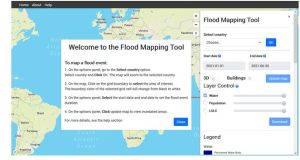
United Nations University-led experts have debuted a new tool that generates instant, accurate street-level resolution maps of floods worldwide since 1985. The free online World Flood Mapping Tool will help all countries but especially those in the Global South, where flood risk maps are rare and often badly out of date. Created by the UN University’s Institute for Water, Environment and Health in Hamilton, Canada, with support from Google, MapBox and other partners listed below, the tool lets users adjust variables to help locate gaps in flood defences and responses, and to plan future development of all kinds — for example, where to build or upgrade infrastructure, or develop agriculture. Simple to use, the tool requires only Internet access to obtain a flood map at 30-meter resolution — street by street level. An upcoming version for more commercial uses, for example by insurance firms, will offer even more precise building-level resolution. The tool allows users to adjust variables to help locate gaps in flood defences and responses, and to plan future development of all kinds — for example, where to build or upgrade infrastructure, or develop agriculture.
Forced To Flee – UNHCR podcast
https://www.unhcr.org/forced-to-flee-podcast/
 UNHCR, the UN Refugee Agency, launched a new podcast entitled Forced To Flee on 14 September 2021. Over seven episodes narrated by broadcaster, author and UNHCR Goodwill Ambassador Anita Rani, Forced To Flee revisits some of the world’s most tumultuous events over the past 70 years. Forcibly displaced people, humanitarian workers and others tell their own extraordinary stories and offer unique perspectives on some of the most significant moments in recent history: from the Hungarian Uprising of 1956 to the fall-out from the end of the conflict in Viet Nam; from the genocide in Rwanda to the crisis in Syria. Using interviews, sound archive and music, Forced To Flee also examines the key issues facing humanitarian agencies and the international community as global displacement reaches record levels and continues to rise. The podcast is being hosted on Apple Podcasts, Spotify, Stitcher and many other platforms. The series was commissioned to mark the 70th year of UNHCR and the 1951 Refugee Convention, but although the podcast is by its nature historical, the intention was always to put the voices of forcibly displaced people at the heart of the narrative.
IOM Migrant Centres Toolkit
https://migrantcentres.iom.int/en
The International Organization for Migration (IOM) launched on 28 September 2021 an online toolkit for migrant centre administration and management. The toolkit offers governments and non-government stakeholders key knowledge and resources on how best to set up and manage migrant centres. This web-based toolkit contains guidance material, tools and design information, with a particular focus on centres established as part of Migrant Resource and Response Mechanisms (MRRMs) in countries transited by migrants. Located along main migratory corridors, often in remote areas where no other protection services are available, these centres aim to ensure migrants’ human rights are respected and provide basic assistance: from food distribution, to accommodation, medical assistance, psychosocial support and liaison with consular authorities to obtain travel documents. This integrated and holistic approach includes key logistical support for search and rescue, humanitarian and return operations. Thirty-eight migrant centres have been established and/or supported under the EU-IOM Joint Initiative for Migrant Protection and Reintegration programme in the Horn of Africa, North Africa and the Sahel and Lake Chad region in Central Africa. More than 100,480 migrants in vulnerable situations have received assistance since 2018, until the end of August. The toolkit covers topics under four categories: administration, management of migrant centres, protection and assistance services, and information management and migration data.
Refugee Resettlement and Complementary Pathways: Opportunities for Growth (UNHCR / MPI)
https://www.migrationpolicy.org/research/refugee-resettlement-complementary-pathways
 A new report from UNHCR, the UN Refugee Agency, and Migration Policy Institute Europe highlights the energy and innovation that have emerged in the refugee resettlement and complementary pathways space in the last several years, despite the challenges posed by the COVID-19 pandemic. The report maps efforts globally to create and scale durable solutions to address unprecedented levels of displacement, with nearly 21 million refugees under UNHCR’s mandate. It examines emerging opportunities for growing resettlement and the use of complementary pathways such as existing work and student visa programs. It also offers recommendations for how UNHCR, national governments, civil society and other partners can most effectively support the growth of resettlement programs, while also using complementary pathways to place refugees on the road to a better life. The report makes clear that partnerships with actors beyond the humanitarian sphere must be central to efforts to advance and scale resettlement and complementary pathways, as called for in the Three-Year Strategy (2019-2021) on Resettlement and Complementary Pathways launched following the adoption of the Global Compact on Refugees in 2018.
Shining a Light on Internal Displacement: A Vision for the Future – Report of the UN Secretary-General’s High-Level Panel on Internal Displacement
Report in English, Executive Summary in English, French & Spanish: https://www.internaldisplacement-panel.org/
 The United Nations Secretary-General’s High-Level Panel on Internal Displacement released on 29 September 2021 its much-anticipated report, which advocates for nationally owned solutions for more than 55 million people displaced within their own countries. The report urges Governments to take a “development-oriented approach” to solutions for their citizens and residents displaced by violence, conflicts, disasters and the impacts of climate change. The Panel presented its report to UN Secretary-General António Guterres at that event, calling on Governments, civil society, the international community and the private sector to step up collective action to end protracted displacement. The report laments “a collective failure” to prevent, address and resolve internal displacement, but it also identifies real opportunities to bring about shifts in the approaches and practices required to end unnecessary suffering.
Justice and International Law
 GATT Disputes Database
https://gatt-disputes.wto.org/
The new GATT Disputes database provides an interactive platform to access, research and visualise detailed information relating to dispute settlement under the General Agreement on Tariffs and Trade (GATT) 1947, the predecessor of the WTO. The database allows users to search for information relating to the 317 GATT disputes brought by contracting parties from 1948 to 1995. The information provided includes documents such as consultation requests and reports, serving adjudicators, the disputing parties, claims and defences of the parties, the procedural legal basis cited by the complainants, and products at issue in the proceedings. It contains a one-page summary of key dates, documents and other information relating to each GATT dispute. The resources section provides access to a compilation of GATT dispute settlement procedures, revealing how these evolved over the decades, as well as other relevant GATT documents of historical value. The database compiles and updates information on GATT dispute settlement decisions and procedures, based on GATT Disputes: 1948-1995 published in 2018. The GATT 1947 was the predecessor to the WTO and provided the rules for much of world trade for its 47‑year existence. The GATT 1947 continues to have legal effect as part of the GATT 1994, itself a component of the WTO Agreement.
Legal Dimensions of Sea Level Rise: Pacific Perspectives (World Bank / GFDRR)
https://openknowledge.worldbank.org/handle/10986/35881

Drug Control, Crime Prevention and Counter-terrorism
 SHERLOC Podcast (UNODC)
https://sherloc.unodc.org/cld/en/st/podcast.html
What are the latest trends of organized criminal groups? How do they exploit the licit and illicit markets? Where do they operate? And how do states respond to this global threat? The “Crime Spot meets SHERLOC” is a monthly podcast which explores transnational organized crime investigations, whilst drawing on the expertise of UNODC and the open-source information collected in the Caselaw database of the SHERLOC Knowledge Management Portal. Each episode features a s pecial guest, who is an expert working in the field of organized crime. Join us in our conversations with high-calibre prosecutors, investigators, criminal justice practitioners and research, as we unveil unprecedented insights into real cases of transnational organised crime. This special series is hosted by Crime Spot in collaboration with UNODC’s SHERLOC team.
UNOCT Connect & Learn Platform
https://learn.unoct-connectandlearn.org/
The United Nations Office of Counter-Terrorism launched its new “Connect & Learn” Platform to be on 1 October 2021 on the margins of the 76th session of the United Nations General Assembly. The platform offers the opportunity to users to connect through a Communities of Practice forum and learn through an eLearning component with courses and training modules on counter-terrorism.
Newsletter Archive: https://unric.org/en/unric-info-point-library-newsletter-archive