
The Central Sahel region, comprising Mali, Burkina Faso, and Niger, has been experiencing a protracted crisis since 2012, one that has largely faded from the headlines. These three countries, semi-arid and marked by poverty and insecurity, are ruled by military juntas that have formed an alliance.
What is the nature of this crisis?
The Sahel, in a broader sense, includes northern Nigeria, where the jihadist armed group Boko Haram is active. Africa remains “the global epicentre of violent extremism,” according to the UN, with most terrorism-related murders worldwide taking place in the Sahel.
The security situation in Mali deteriorated further at the end of April: jihadist armed groups and a Tuareg separatist movement attacked several towns across the country, killing members of the ruling junta in Kati, near Bamako. This was a repeat of the 2012 scenario, which plunged the country into its current crisis.
In Burkina Faso and Niger, juntas are also in power, following coups in September 2022 and July 2023, respectively. The three countries created the Alliance of Sahel States in 2023.
They share many other similarities. Their vast territories, including desert areas, represent a route for sub-Saharan migrants heading to Europe via Libya. They are also lawless zones where trafficking flourishes, particularly of cocaine from Latin America towards Europe.
In the three predominantly Muslim countries, repressive regimes restrict public freedoms, while armed groups are increasing human rights violations.
What is the context of the crisis?
It is a profound crisis of confidence between certain segments of the population and state institutions, which are accused of neglecting the development of remote regions and failing to redistribute wealth.
The emergence and proliferation of armed groups throughout the Sahel have generated a complex crisis since 2012. Initially localized in northern Mali, it spread to the central regions of that country before gradually engulfing northern Burkina Faso and western Niger and then threatening the stability of all other neighbouring countries.
The incessant attacks and clashes between state and non-state actors are not only displacing millions of people. They are also complicating humanitarian access and protection efforts. The persistent insecurity in border areas (particularly between Burkina Faso and Niger) is exacerbating the humanitarian crisis.
What is the impact of the crisis?
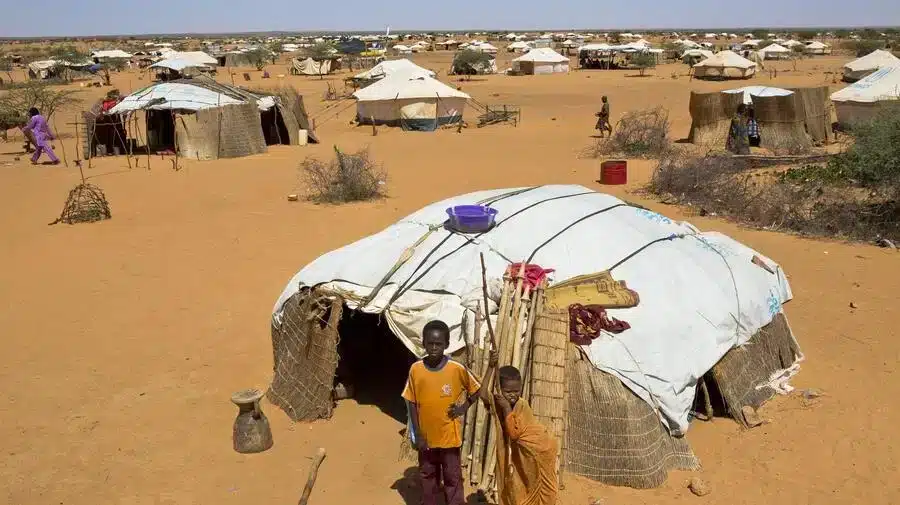
The central Sahel region is home to nearly three million internally displaced persons (two million in Burkina Faso, 548,000 in Niger, and 415,000 in Mali), according to the latest figures from the United Nations High Commissioner for Refugees (UNHCR). An additional one million refugees reside in neighbouring countries.
Human rights are being violated in all three countries. In Niger, the former president, overthrown in July 2023, remains in detention. The UN Committee on the Elimination of Racial Discrimination has denounced serious abuses against the Fulani people in Burkina Faso, due to the community’s alleged association with terrorist groups.
“Such violations are reportedly committed by State armed forces and their auxiliaries, including the Volunteers for the Defence of the Homeland, and by non-State armed groups,” the Committee detailed in a document presented on April 22 and 23 in Geneva.
Despite real progress in health, education, and civil registration, “nearly 7.5 million children are in urgent need of humanitarian assistance in the Central Sahel – an emergency that remains too far from the attention of the international community,” warned Ted Chaiban, UNICEF Deputy Executive Director, in late April.
According to UNHCR, more than 14,800 schools had closed in the region by mid-2025, depriving three million children of access to education and safe spaces.
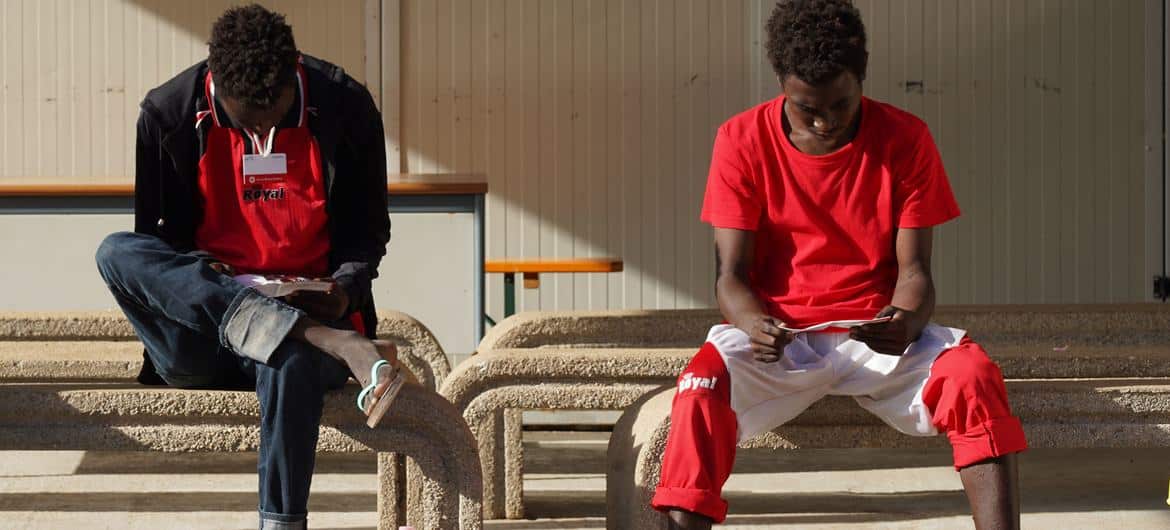
Displaced youth face increasing protection and livelihood challenges. They are particularly vulnerable to forced recruitment, human trafficking, and limited access to employment, increasing the risk that they will undertake dangerous journeys beyond the region.
Niger, for its part, is among the countries where a hunger alert has been issued for 2026. “The reduced funding we saw in 2025 has deepened hunger and malnutrition across the region,” said Sarah Longford, WFP Deputy Regional Director for West and Central Africa. “As needs outpace funding, so too does the risk of young people falling into desperation.”
In Mali, reduced food rations have led to a 64% increase in famine in some areas. Insecurity is disrupting supplies, and 1.5 million vulnerable Malians could face a food crisis.
UNHCR also notes that shocks related to climate change are intensifying competition for access to resources such as land and water. These are all additional obstacles to the peaceful coexistence and social cohesion of displaced people and refugees with host communities.
The UN’s response
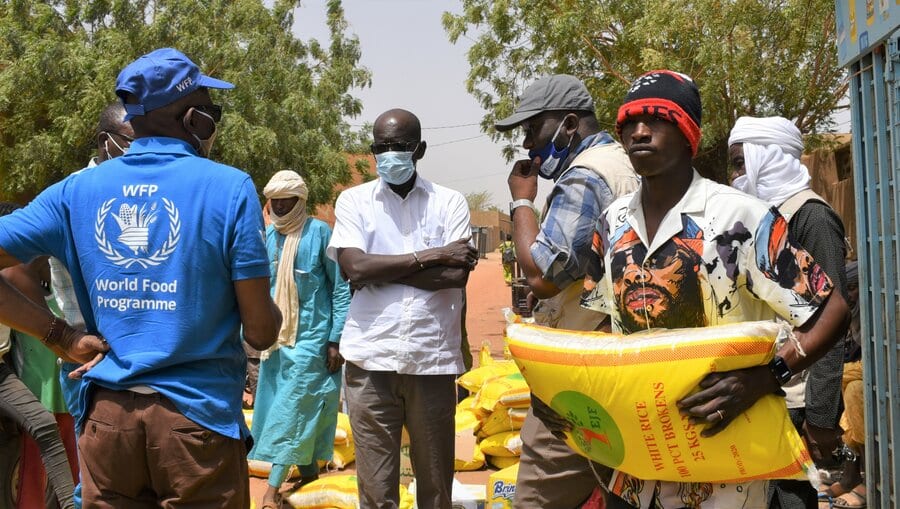
Insecurity in the central Sahel is spilling over into Benin, Côte d’Ivoire, Ghana, Togo, and Mauritania, making the response to this crisis even more crucial. More than 30 UN agencies are working in Mali, Burkina Faso, and Niger.
A UN peacekeeping mission (the United Nations Multidimensional Integrated Stabilization Mission in Mali – MINUSMA), established in 2012, aimed to stabilise the country, protect civilians, and support the political process. It withdrew in July 2023 at the request of the new Malian authorities.
Faced with the humanitarian crisis in West and Central Africa, the UN and its partners are appealing for $5.1 billion in funding and calling for an end to indifference. The goal: to help 24 million of the most vulnerable people in West and Central Africa. Across these regions, 42 million people will need assistance, but budget cuts no longer allow the UN to cover all the needs.