
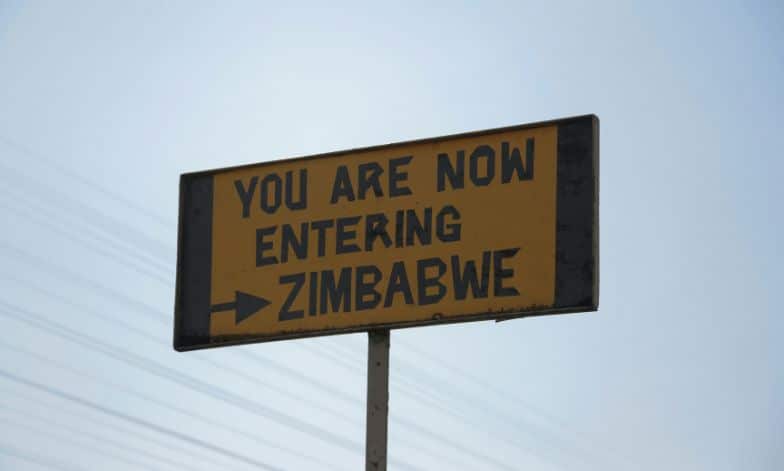
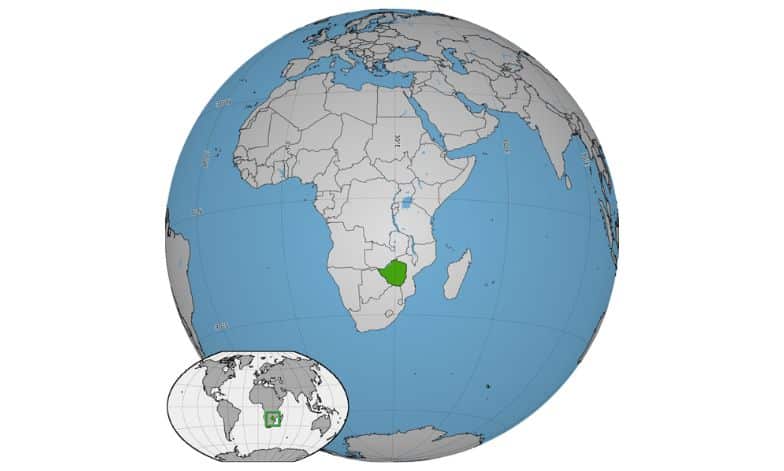
While global attention is often focused on conflicts and humanitarian emergencies elsewhere, Zimbabwe is facing a severe but underreported crisis that has left millions struggling with hunger, disease, and economic hardship.
Almost a third of the urban population (28%) is affected by food insecurity, and 2.7 million people in rural areas are repeatedly threatened by hunger. Almost a quarter of children under the age of five suffer from malnutrition.
The country is experiencing one of its worst humanitarian situations in decades, driven by climate shocks, food insecurity, public health challenges, and longstanding economic vulnerabilities. Despite the scale of the emergency, Zimbabwe remains largely absent from international headlines, making it a classic example of a forgotten crisis.
7.6 million risk acute hunger
The most immediate driver of the crisis is the devastating El Niño-induced drought that struck southern Africa in 2024. According to the United Nations Office for the Coordination of Humanitarian Affairs (OCHA), more than half of Zimbabwe’s harvest was destroyed due to prolonged dry spells, below-average rainfall, and extreme temperatures.
The Government of Zimbabwe declared a national state of disaster in April 2024 after estimating that over seven million people would face severe food insecurity. OCHA reports that approximately 7.6 million people are now at risk of acute hunger, accounting for nearly half the country’s population.
Assistance needed
The World Food Programme (WFP) and OCHA warn that millions of Zimbabweans will require humanitarian assistance to survive until future harvests can restore food supplies.
Children are among the most vulnerable. UNICEF reports that Zimbabwe’s drought and economic difficulties have increased rates of malnutrition, with child wasting (low weight for height) rising significantly in 2024. The agency estimates that 3.5 million children have been affected by the wider humanitarian crisis.
Drought-related poverty has also disrupted education, while shortages of clean water and sanitation services expose children to heightened health risks. UNICEF has responded through nutrition programmes, school feeding initiatives, safe water provision, and emergency cash assistance, but funding gaps remain substantial.
Deadly cholera outbreak
At the same time, Zimbabwe continues to face serious public health challenges. The country battled a prolonged cholera outbreak that resulted in more than 34,000 cases and hundreds of deaths before subsiding in 2024.
Human Rights concerns
In recent years, Zimbabwe has taken important reform steps, most notably abolishing the death penalty. Still, it faces serious human rights concerns involving democratic freedoms, civic space, governance, and the protection of fundamental rights. UN bodies continue to urge the government to strengthen human rights protections and fully implement its international obligations.
Insufficient funding
Despite the scale of these needs, humanitarian funding remains insufficient. The United Nations and its partners launched major appeals to support millions of Zimbabweans. Yet, funding levels have fallen far short of requirements. Limited international attention has slowed the response, even as humanitarian agencies warn that needs will remain high well into the coming years.
Zimbabwe’s crisis illustrates how climate change, poverty, and weak public services can combine to create a humanitarian emergency without attracting widespread global attention. As millions face hunger, malnutrition, and disease, the world urgently needs greater international solidarity and funding. Without sustained support, this forgotten crisis risks becoming an even deeper tragedy for Zimbabweans. [unocha.org],
Sources: United Nations Office for the Coordination of Humanitarian Affairs (OCHA), UNICEF Zimbabwe, UN News, and the United Nations Humanitarian Action platform.