

Across the globe, governments are debating how young is “too young” to use social media, with some introducing age-related restrictions across platforms.
These restrictions reflect genuine concern: children are facing bullying, exploitation, and exposure to harmful content online with negative impacts on their mental health and well-being. The status quo is failing children and overwhelming families, UNICEF says in a recent statement.
In the United Nations’ General Comment No. 25 (2021) to the Convention on the Rights of the Child, the Committee on the Rights of the Child emphasizes in that “The digital environment is becoming increasingly important across most aspects of children’s lives, including during times of crisis, as societal functions, including education, government services and commerce, progressively come to rely upon digital technologies. It affords new opportunities for the realization of children’s rights but also poses the risks of their violation or abuse.”
Introducing age limits
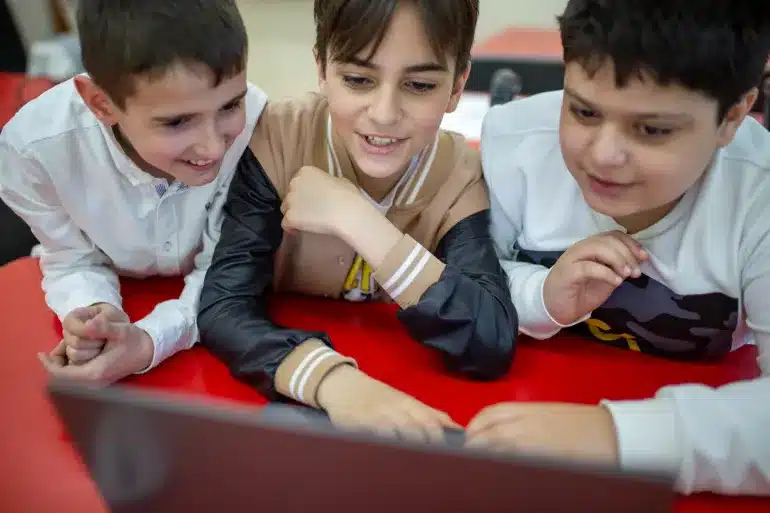
As Australia began enforcing a world-first social media ban for children under 16 years old recently, the Norwegian government is taking decisive steps to protect children online by presenting a public consultation proposal for a new law that would prohibit social media platforms from offering their services to children under the age of 15.
The Danish government has also proposed a national age limit for access to social media. The plan entails that, as a general rule, children should only be able to create a profile when they turn 15. However, for children aged 13 and 14, this can happen with parental consent, according to a press release from Danish Digitaliseringsministeriet. Also in Sweden, a government inquiry on possible age limit for social media is currently underway.

New Nordic initiative
One year ago, UNICEF Sweden, together with several other organizations in the Nordics, formed the Nordic network NOCTA (Nordic Child Tech Policy Alliance). The aim of the network is to influence tech companies and decision-makers to put children and their rights at the center of policies and industry measures and create digital environments that have protect and empower them.
The network currently consists of seven organizations from Sweden, Norway, Finland and Denmark, all of which work with children’s rights in digital environments. The organizations are Barnevakten (Norway), Bris (Sweden), Børns Vilkår (Denmark), Digital Responsibility (Denmark), Prinsparets Stiftelse (Sweden), UNICEF Sweden (Sweden) and Protect Children (Finland).
– The NOCTA was initiated through the shared challenge of organisations from separate countries to influence decisions of the tech companies and the EU. It also stems from the shared history, values, and perspectives across the Nordic countries on children’s rights and the view of children. So, we wanted to build on and advance this and believe that we together have a stronger voice to advance a rights-based, child-centered approach to digital policy decisions, says Lulu Li, representing UNICEF Sweden.
Protecting and empowering children online
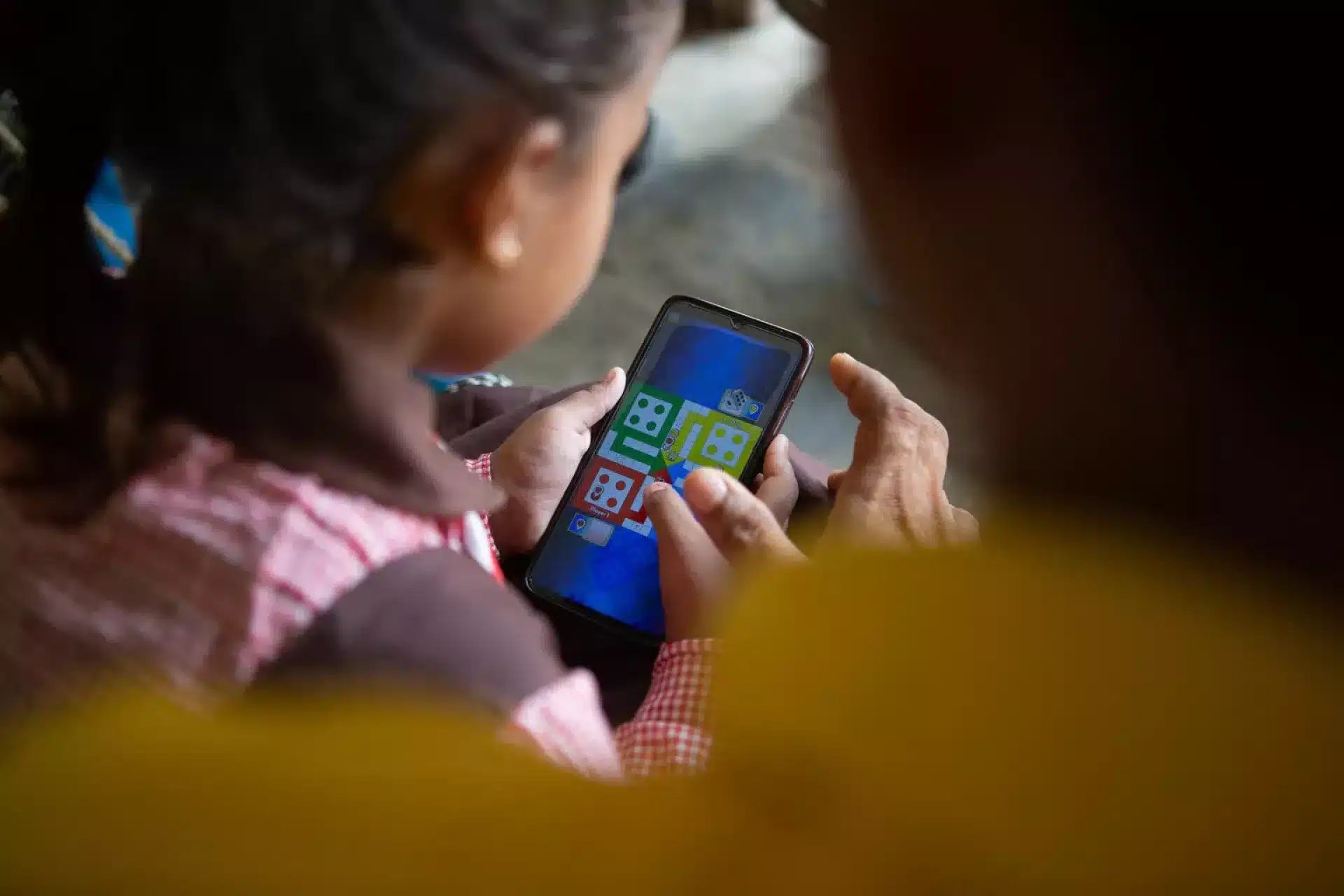
The goal of creating NOCTA is to advocate for child-centered industry actions, reinforced by policies and measures, that delivers on the best interest of the child. The vision is a digital environment that helps every child enjoy the full range of their rights, that supports their mental health and wellbeing, and that empowers them with the cognitive, emotional, interrelational and democratic knowledge and skills to navigate safely and consciously online.
To advance these goals NOCTA has contributed to EU-level policy processes, including input to the Digital Services Act (DSA) Guidelines under Article 28. NOCTA has also convened high-level events at the Swedish Royal Palace and the European Parliament, bringing together key decision-makers and stakeholders to elevate these issues and drive concrete action.
– Our calls to action include, among others, provision of child-friendly reporting mechanisms, user-friendly and effective parental tools, safeguards around the monetization of children’s data as well as stronger protection against risks posed by AI companions, Lulu Li continues.
According to the 2025 Eurobarometer, over 90% of Europeans believe action to protect children online is a matter of urgency, not least in relation to social media’s negative impact on mental health (93%), cyberbullying (92%) and the need for effective ways to restrict access to age-inappropriate content.
Read more about how children can be protected online here and here.